Best time to visit
Based on the local climate data, the summer months offer the sunniest and driest conditions with the highest average temperatures and very low rainfall. Late spring and early autumn present milder temperatures and moderate sunshine, while winter months are cooler and see higher rainfall.
Jan
11.7°C
Rain93 mm
Sun7.6 h
Feb
12.5°C
Rain53 mm
Sun9.1 h
Mar
13.5°C
Rain49 mm
Sun10.0 h
Apr
16.4°C
Rain20 mm
Sun11.4 h
May
20.1°C
Rain15 mm
Sun12.7 h
Jun
24.3°C
Rain6 mm
Sun13.8 h
Jul
26.6°C
Rain2 mm
Sun13.6 h
Aug
26.6°C
Rain2 mm
Sun12.9 h
Sep
24.2°C
Rain9 mm
Sun11.7 h
Oct
20.4°C
Rain20 mm
Sun10.1 h
Nov
17.0°C
Rain54 mm
Sun8.9 h
Dec
13.6°C
Rain70 mm
Sun7.9 h
Things to do
In Plaka
- Castro of PlakaRuins of an ancient fortress located in Plaka offering scenic views of the area. Visitors like to walk around the remains and imagine the historical significance of the site. Well suited for history buffs and those enjoying panoramic vistas.
- Plaka CastleA historic castle located in the heart of Plaka offering panoramic views of the surrounding sea and landscape. Visitors often explore the ruins and enjoy photography and sightseeing. It is ideal for history enthusiasts and casual tourists alike.
- Monastery of PanagiaThis monastery is a significant religious site within Plaka, admired for its traditional architecture and peaceful ambiance. Visitors come to experience the serene atmosphere and cultural heritage. Suitable for travelers interested in spirituality and local customs.
Around Plaka
- Sarakiniko BeachKnown for its striking white volcanic rock formations and crystal-clear water, Sarakiniko Beach is a natural spectacle. Visitors often explore the landscape, swim, and enjoy the unusual scenery. It is highly popular among photographers and nature enthusiasts.
- Milos BeachA beautiful natural beach near Plaka offering clear waters and relaxing surroundings. It is perfect for swimming, sunbathing, and leisurely walks along the shoreline. This spot attracts families and beach lovers looking to unwind in nature.
- Trachilos BeachA less crowded beach spot close to Plaka known for peaceful waters and a tranquil atmosphere. Ideal for visitors seeking a calm place to rest and enjoy nature. Suitable for families and those wanting serene seaside experiences.
Where to stay

How we pick hotels
For each category, we shortlist a few standout stays by combining review quality (score), review confidence (volume), and how well the hotel matches the theme (spa, family, lake views, and more).
Spa hotels
Suited to travellers seeking relaxation and wellness after exploring Pláka’s historic streets, where spa facilities provide rest and recovery.
Tip: check if spa access is included or paid, and opening hours/booking rules.
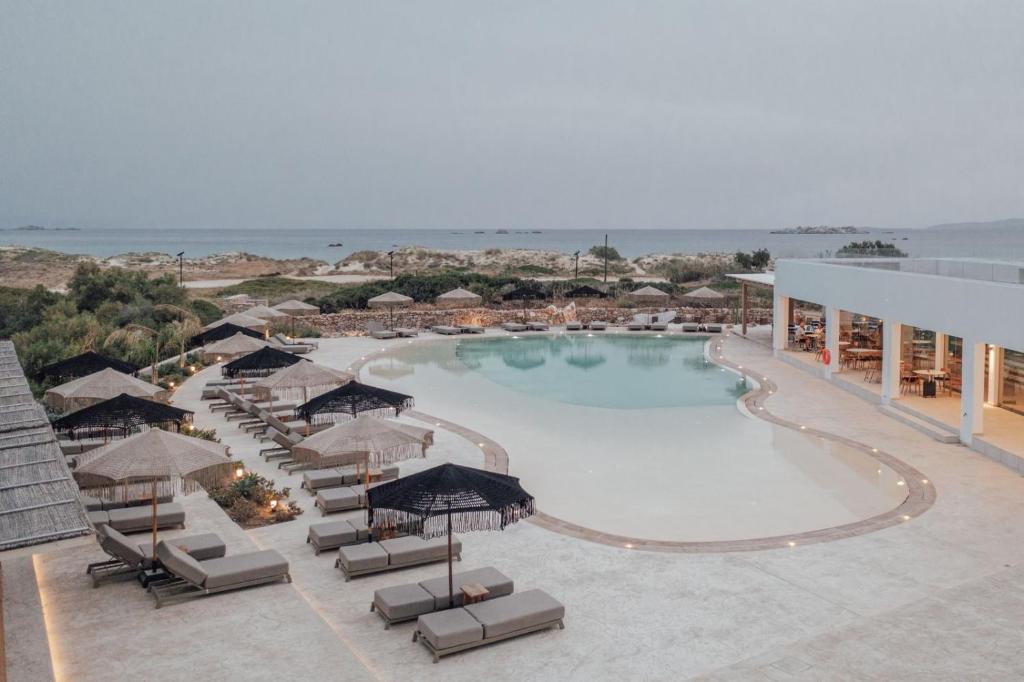
Rating: 9.8 • 316 reviews
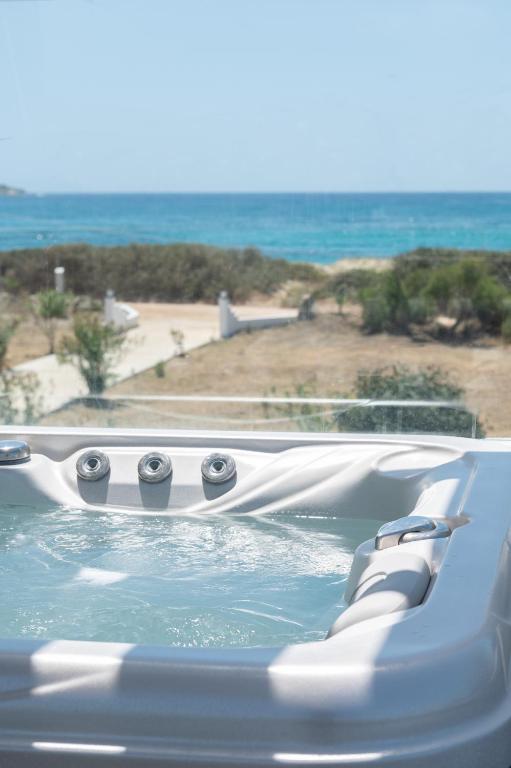
Rating: 9.9 • 38 reviews
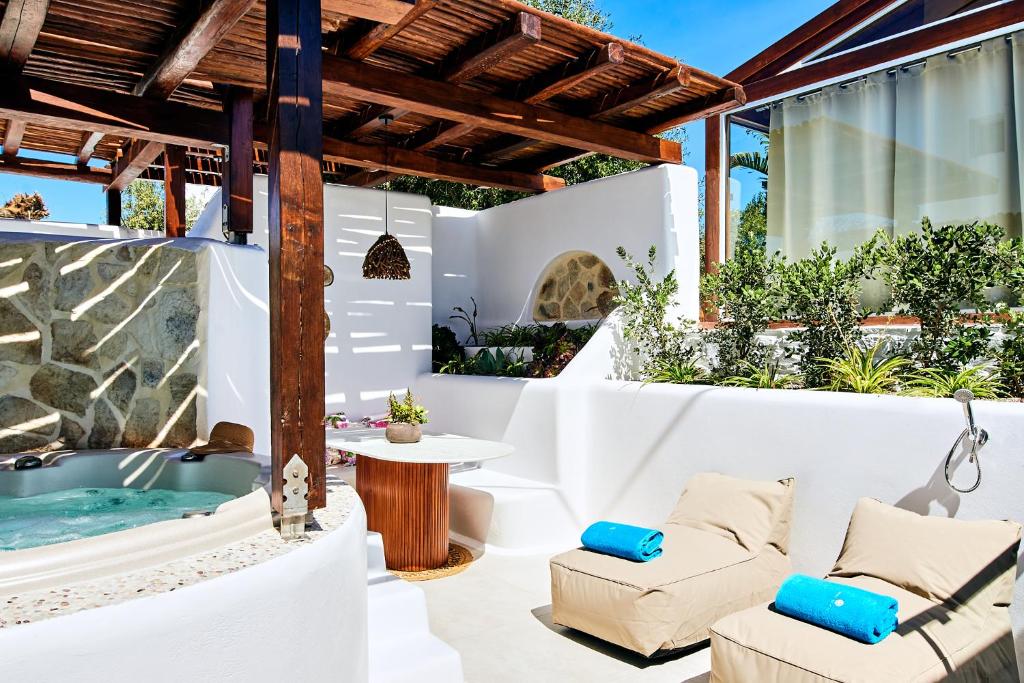
Rating: 9.7 • 266 reviews
Hotels with pool
Ideal for visitors who value a cooling pool to return to after sightseeing around the Acropolis and the neighbourhood’s winding lanes.
Tip: if traveling off-season, prefer heated or indoor pools; confirm opening dates.

Rating: 9.7 • 226 reviews
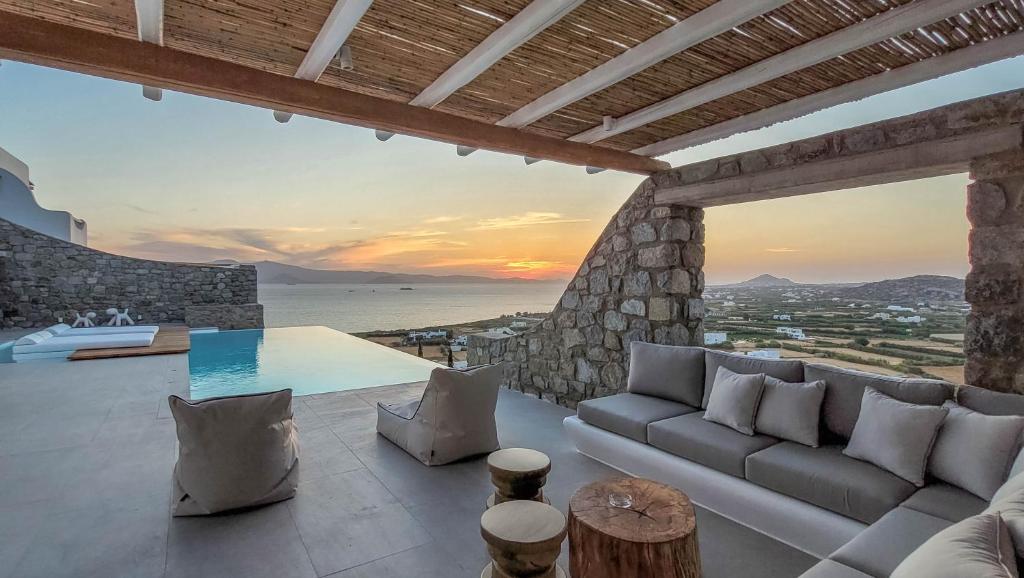
Rating: 10 • 23 reviews

Rating: 9.7 • 124 reviews
Hotels with a pool and a spa
Best for those wanting both active relaxation and pampering close to Pláka’s historic core, combining pool time with spa treatments.
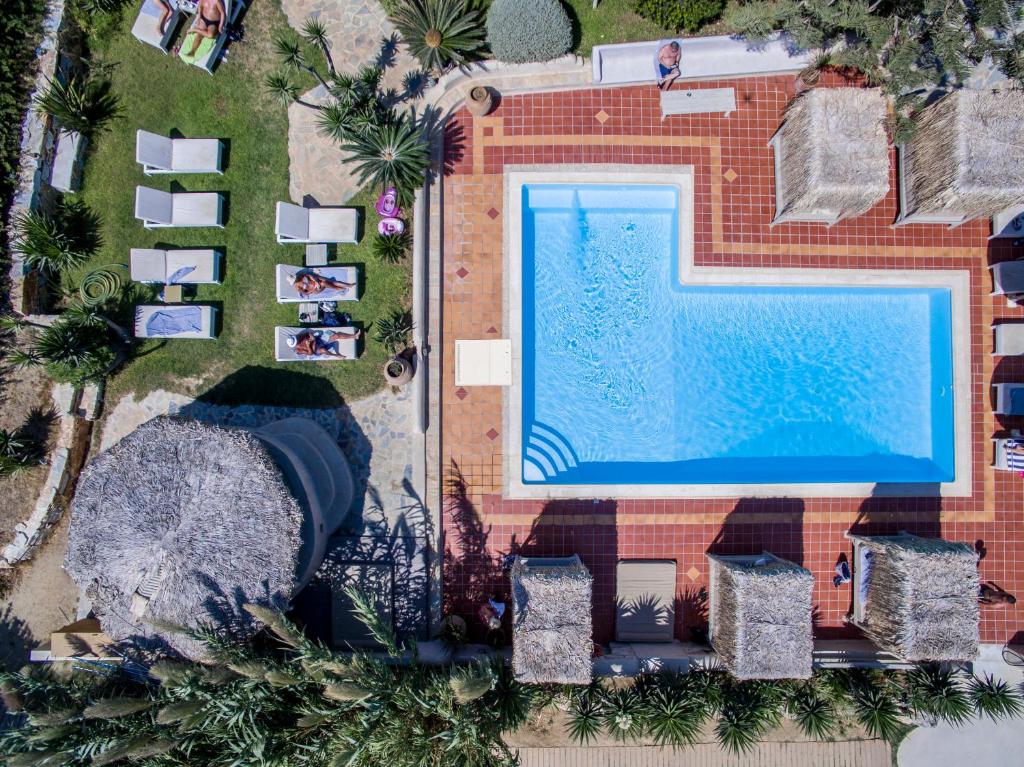
Rating: 9.7 • 74 reviews
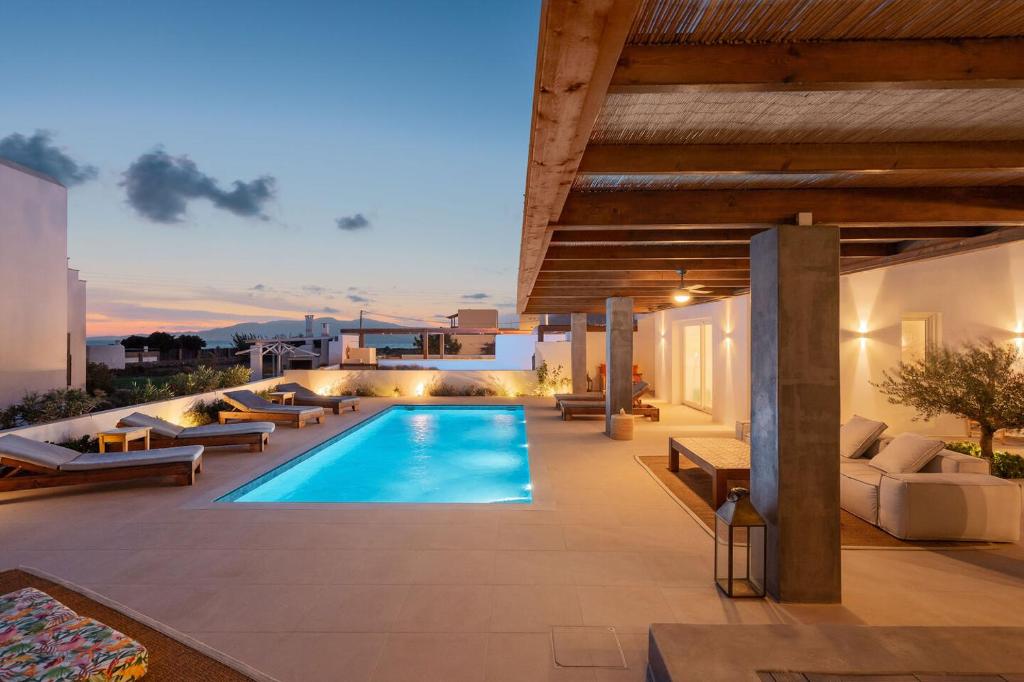
Rating: 9.8 • 30 reviews

Rating: 9.9 • 17 reviews
Beachfront hotels
Appropriate for travellers combining a stay near the coast with visits to Pláka, when a seaside setting is a priority.
Tip: verify if it’s truly on the beach (not across a road) and check beach conditions in reviews.
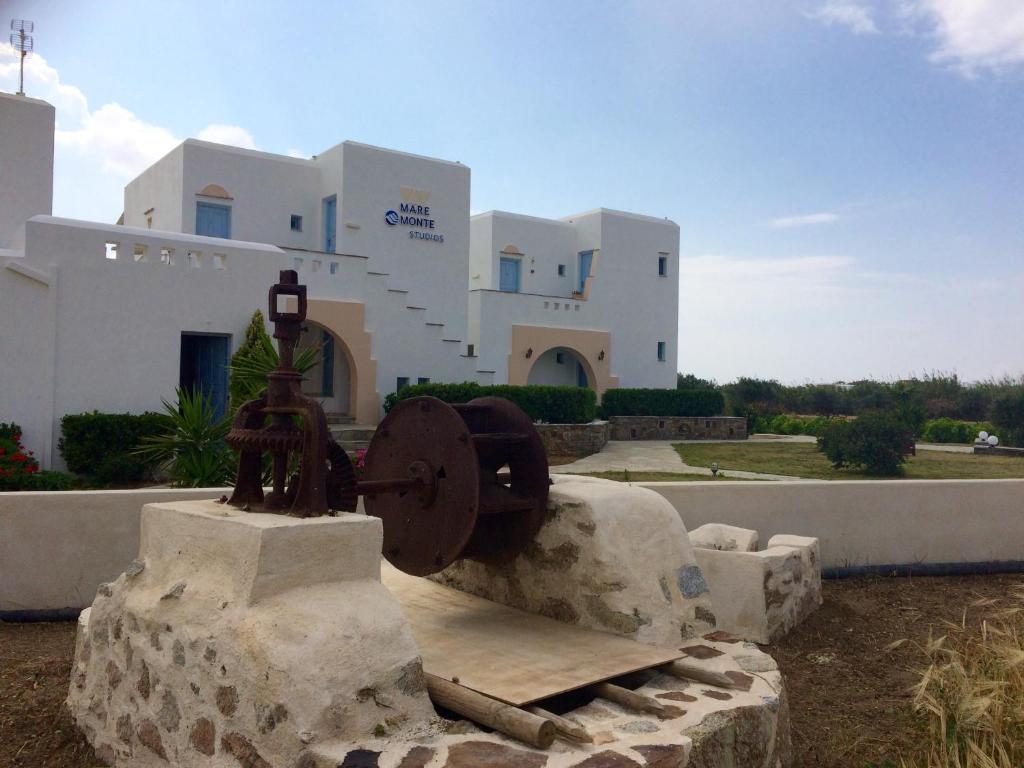
Rating: 9.7 • 200 reviews
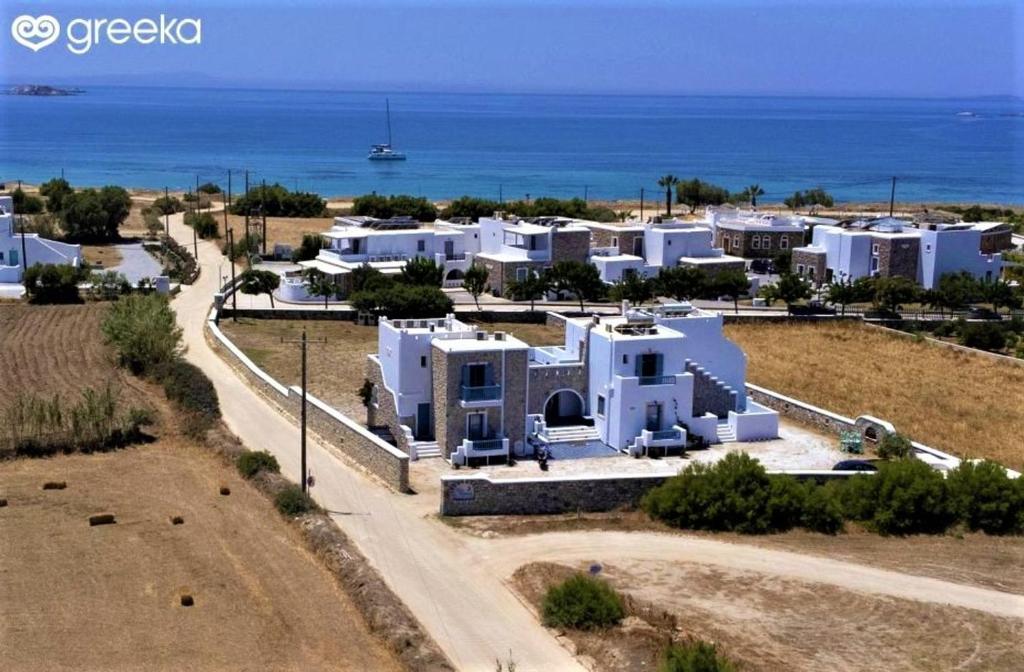
Rating: 9.7 • 134 reviews
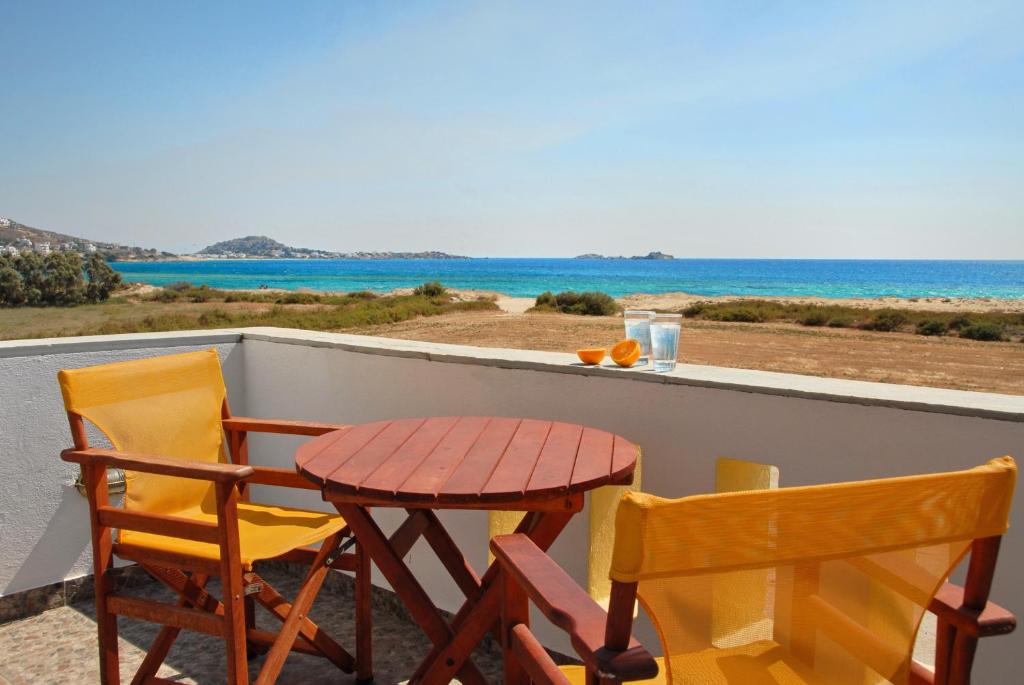
Rating: 9.9 • 23 reviews
Family-friendly hotels with a pool
Well suited to families who appreciate easy access to major historic sites and the convenience of on‑site pool facilities.
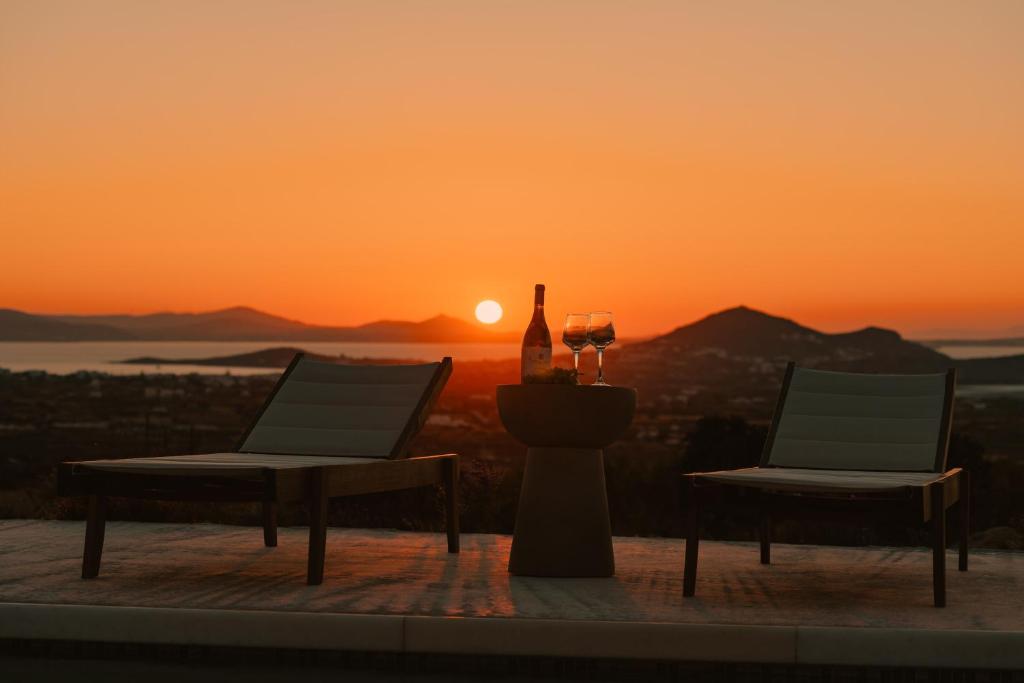
Rating: 9.9 • 14 reviews
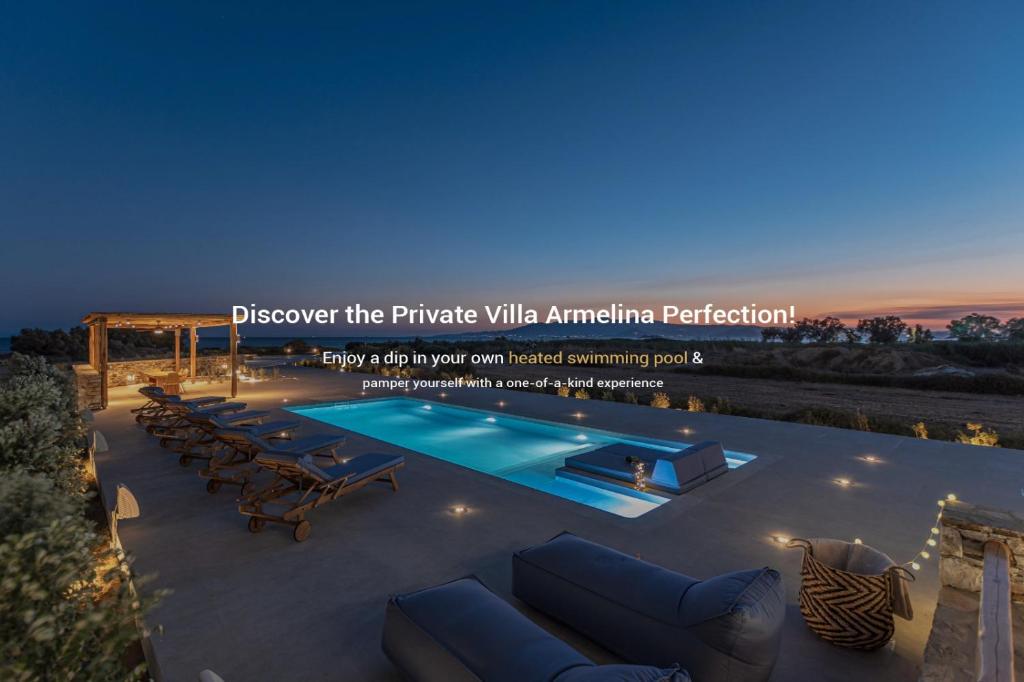
Rating: 10 • 9 reviews

Rating: 9.7 • 14 reviews
Family-friendly beachfront hotels
Good for families who want beachfront accommodation alongside straightforward access to Pláka’s attractions.
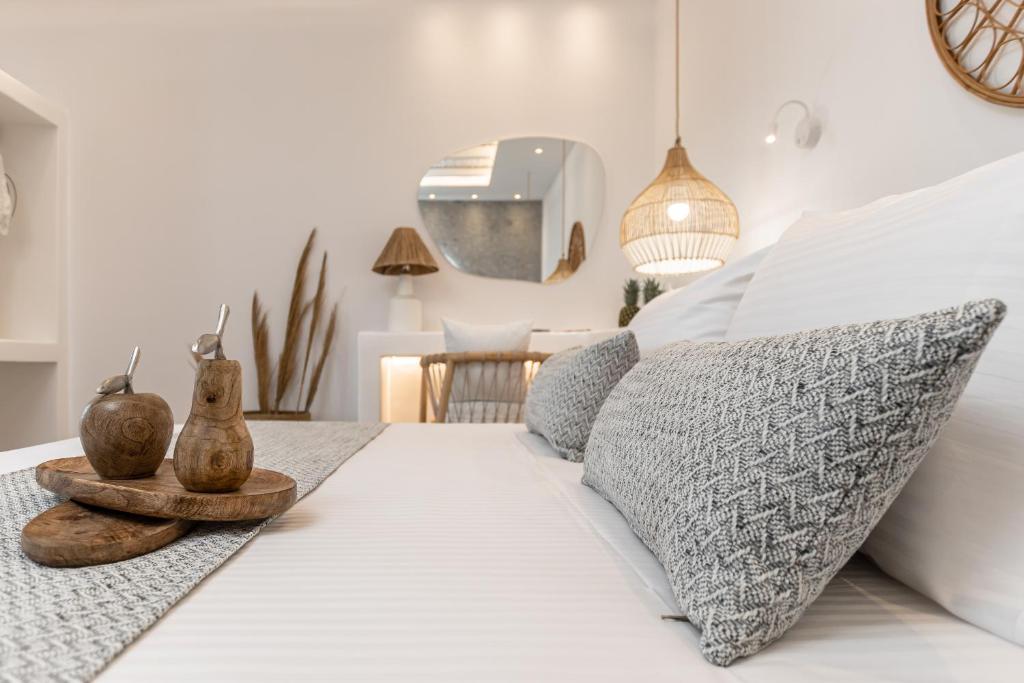
Rating: 9.6 • 129 reviews

Rating: 9.6 • 56 reviews
Rating: 9.6 • 48 reviews
FAQ
What currency is used in Plaka?
You’ll typically pay in EUR (euro). Cards are commonly accepted, but it’s smart to carry some cash for small purchases.
Are hotels in Plaka pet friendly?
28% of the 67 properties we track in Plaka accept pets. Across our destinations the usual share is about a third.
How do I get to Pláka?
Pláka is the historic neighbourhood clustered around the Acropolis in central Athens, so it is reached from other central parts of the city by walking or local urban transport. The area’s compact layout makes it easy to arrive on foot from nearby landmarks.
What should I see in Pláka?
Pláka is known for its proximity to the Acropolis and its many archaeological sites, along with neoclassical architecture and maze‑like streets; the neighbourhood itself is part of the ancient fabric of Athens. Expect historic streetscapes and ancient remains woven into the area.
Is Pláka easy to explore on foot?
Yes—Pláka’s labyrinthine streets are a defining feature and are best experienced on foot, though they can be narrow and uneven in places. Comfortable footwear and a relaxed pace are advisable for exploring the lanes.
What is the weather like and what should I pack?
Summers in the area tend to be warm with abundant sunshine and low rainfall, while winters are cooler with higher rainfall. Pack lighter clothing and sun protection for summer, and layered, rain‑ready items for the cooler months.
Are there archaeological sites and museums in Pláka?
Pláka is built over residential areas of ancient Athens and incorporates numerous archaeological sites, and its proximity to the Acropolis places it close to major ancient remains. Visitors can expect historic features embedded in the neighbourhood.
Is Pláka suitable for families with small children?
Families can enjoy the historic atmosphere and nearby major sites, but the neighbourhood’s narrow, maze‑like streets may be less convenient for pushchairs and very young children. Planning routes with that in mind will make outings easier.