Best time to visit
Climate data indicate a clear seasonal pattern: the late spring through summer period is the warmest and sunniest with the lowest rainfall, while autumn and winter are cooler and wetter. If you prefer prolonged sun and minimal rain, plan for the period when average temperatures and daily sunshine are at their highest.
Jan
11.3°C
Rain80 mm
Sun7.4 h
Feb
12.1°C
Rain46 mm
Sun9.0 h
Mar
13.0°C
Rain42 mm
Sun10.0 h
Apr
15.7°C
Rain22 mm
Sun11.4 h
May
19.0°C
Rain14 mm
Sun12.6 h
Jun
23.2°C
Rain5 mm
Sun13.8 h
Jul
25.4°C
Rain3 mm
Sun13.7 h
Aug
25.4°C
Rain2 mm
Sun12.9 h
Sep
23.3°C
Rain10 mm
Sun11.7 h
Oct
19.7°C
Rain18 mm
Sun10.0 h
Nov
16.4°C
Rain47 mm
Sun8.8 h
Dec
13.1°C
Rain66 mm
Sun7.7 h
Things to do
In Mykonos
- Old Town Mykonosa well-preserved historic district known for its narrow, winding streets and classic Cycladic architecture. Visitors enjoy wandering through its vibrant lanes, admiring whitewashed buildings, and discovering small cultural landmarks. It suits travelers interested in history, culture, and photogenic urban exploration.
- Psarou Beacha natural beach within Mykonos island well-known for its clear turquoise waters and sandy shore. It attracts visitors looking to relax by the sea, swim, and enjoy natural beauty. Suitable for travelers who appreciate beaches and seaside leisure.
- Windmills of MykonosThe Windmills of Mykonos are a distinctive historic man-made feature, symbolizing the island’s heritage. They offer panoramic views over the town and sea, making it a popular spot for photography and sightseeing. Ideal for visitors interested in iconic landmarks and scenic views.
- Horto Parka leisure park located in Mykonos town where visitors can enjoy green spaces and a peaceful environment. It is a suitable spot for light walks, family outings, or resting amid nature in the town center.
Around Mykonos
- Ano Mera Monasteryan important place of worship located in the village of Ano Mera. It offers visitors a glimpse into Mykonos’ religious heritage and traditional island life. Ideal for those interested in culture, history, and peaceful settings.
- Delos Archaeological Sitea significant historic location featuring extensive ancient ruins. Visitors can explore temples, marketplaces, and statues, making it ideal for history enthusiasts and archaeology fans. Accessible by ferry, it offers deep cultural insights and scenic island views.
Where to stay

How we pick hotels
For each category, we shortlist a few standout stays by combining review quality (score), review confidence (volume), and how well the hotel matches the theme (spa, family, lake views, and more).
Family-friendly hotels
Suites and villas aimed at families who want comfortable, relaxed bases close to beaches and family-friendly services.
Tip: look for family rooms, breakfast options, and walkable basics (shops/transport).
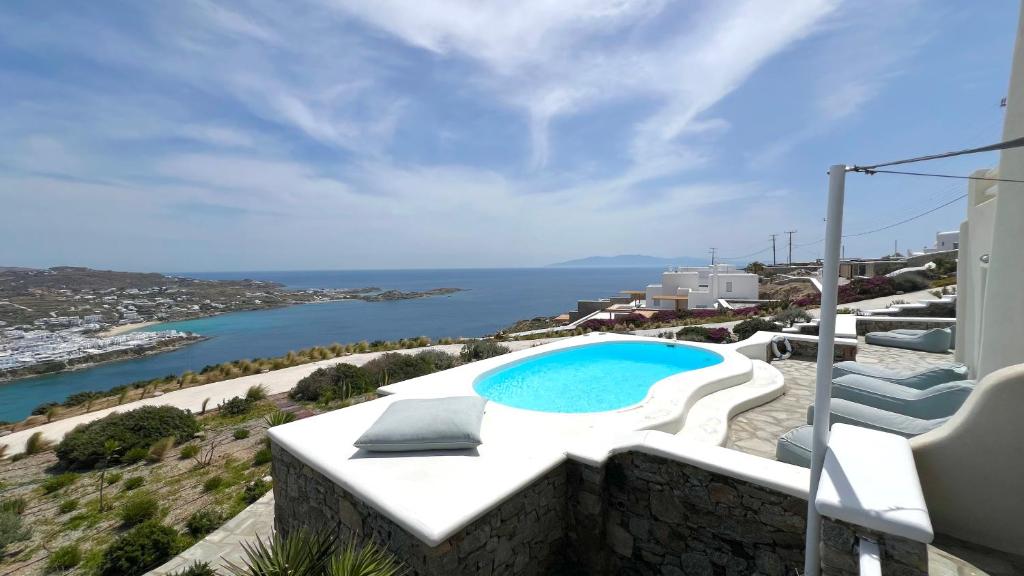
Rating: 10 • 46 reviews
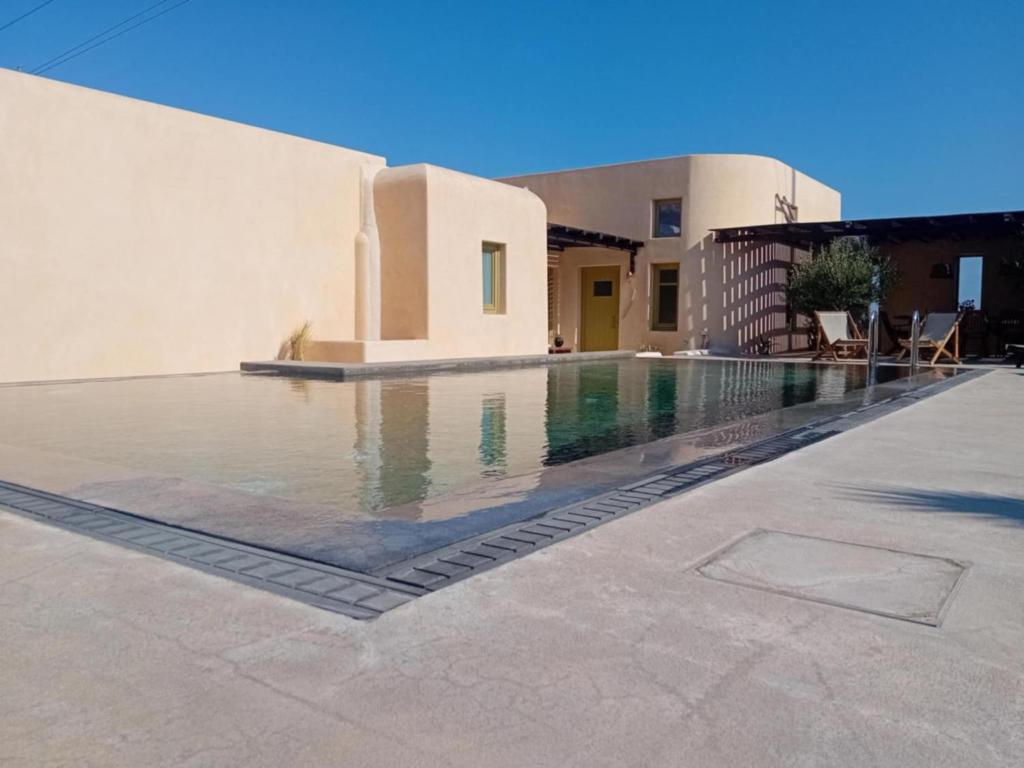
Rating: 10 • 46 reviews
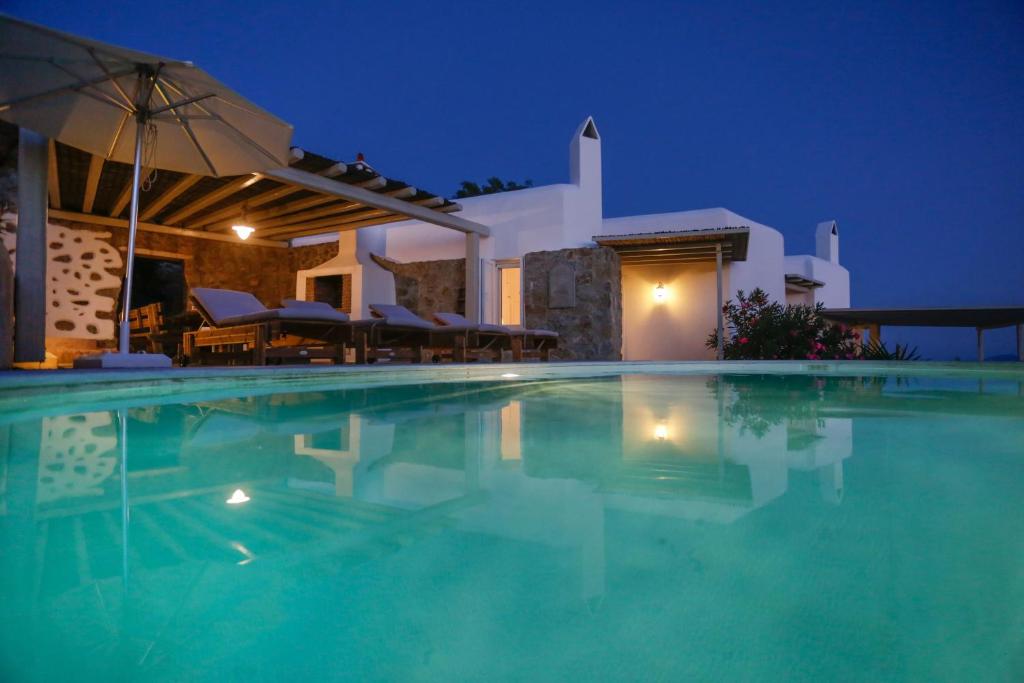
Rating: 10 • 30 reviews
Hotels with pool
Suitable for travellers who prioritise a hotel pool for cooling off after exploring the island’s coastal areas.
Tip: if traveling off-season, prefer heated or indoor pools; confirm opening dates.

Rating: 10 • 30 reviews
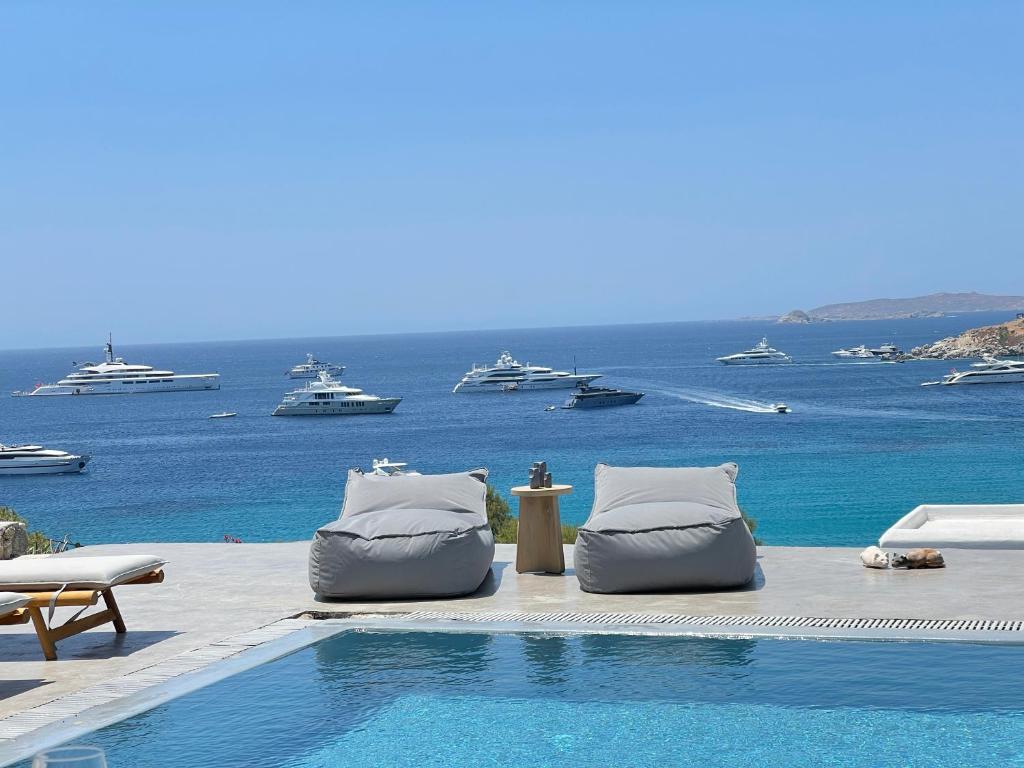
Rating: 10 • 19 reviews
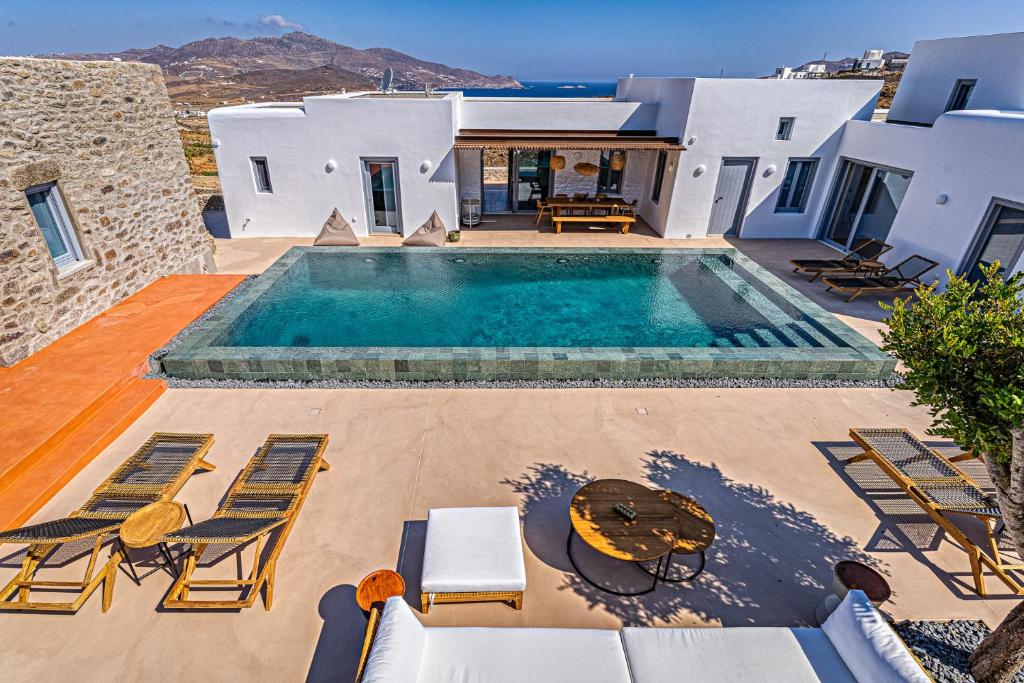
Rating: 10 • 9 reviews
Hotels with a pool with a spa
For guests seeking both a pool and on-site spa facilities to combine relaxation with a seaside stay.
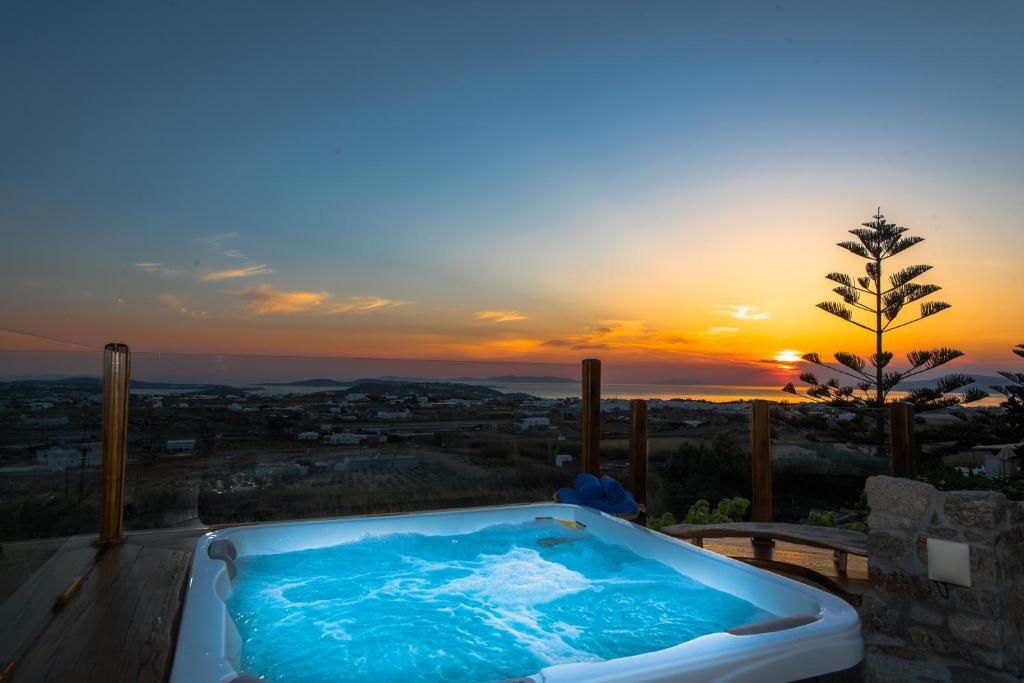
Rating: 10 • 8 reviews
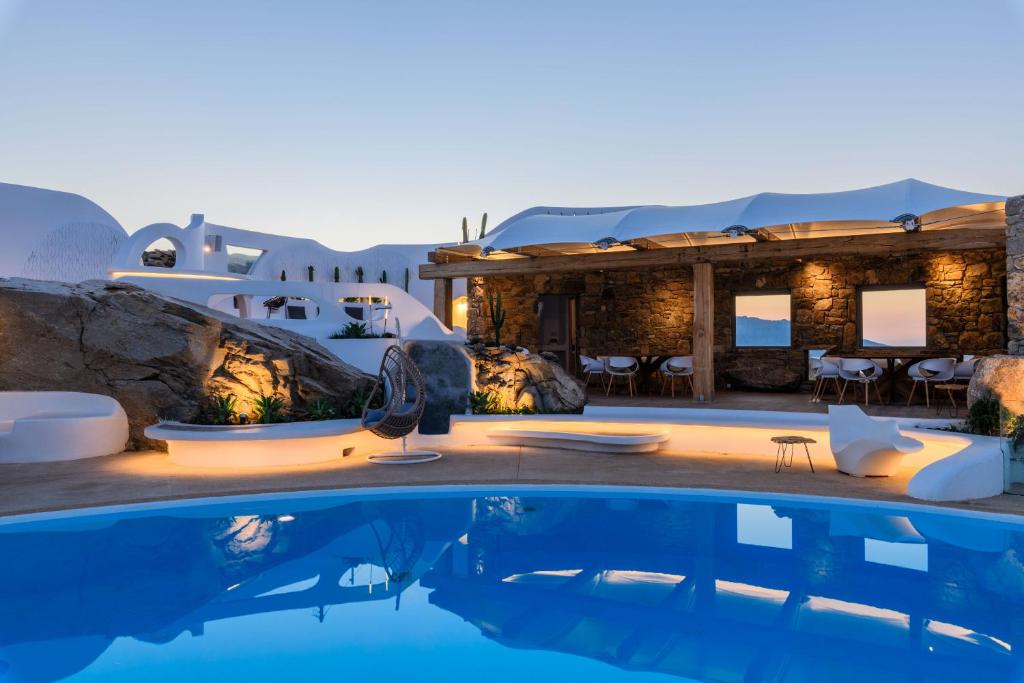
Rating: 10 • 6 reviews
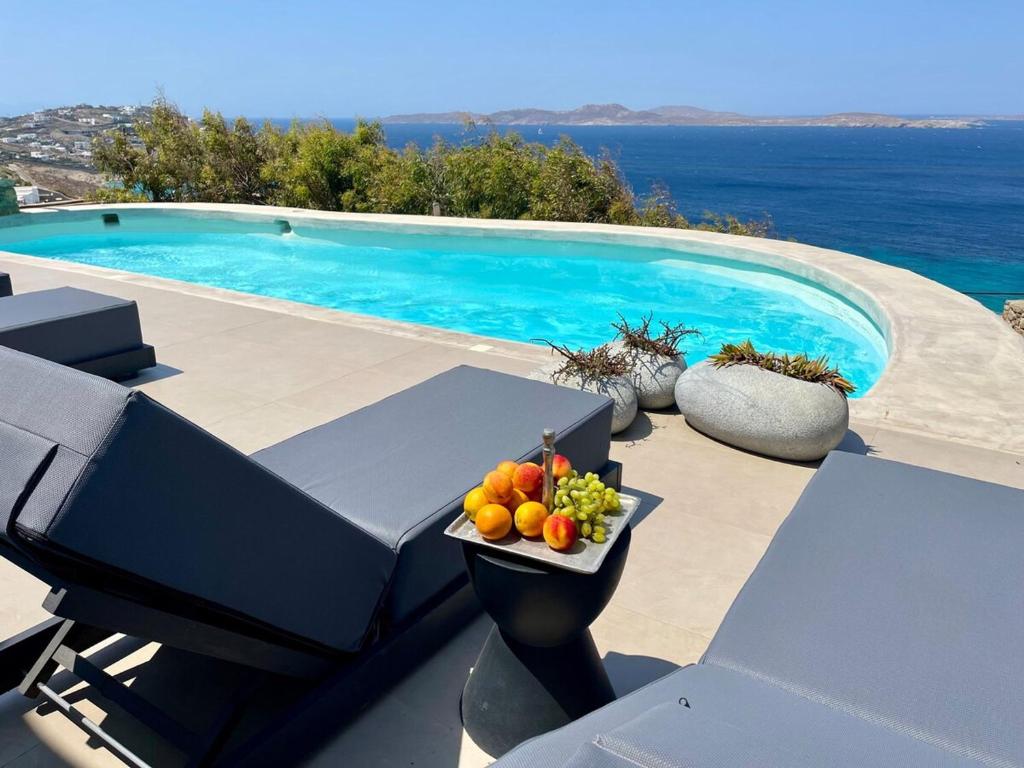
Rating: 10 • 5 reviews
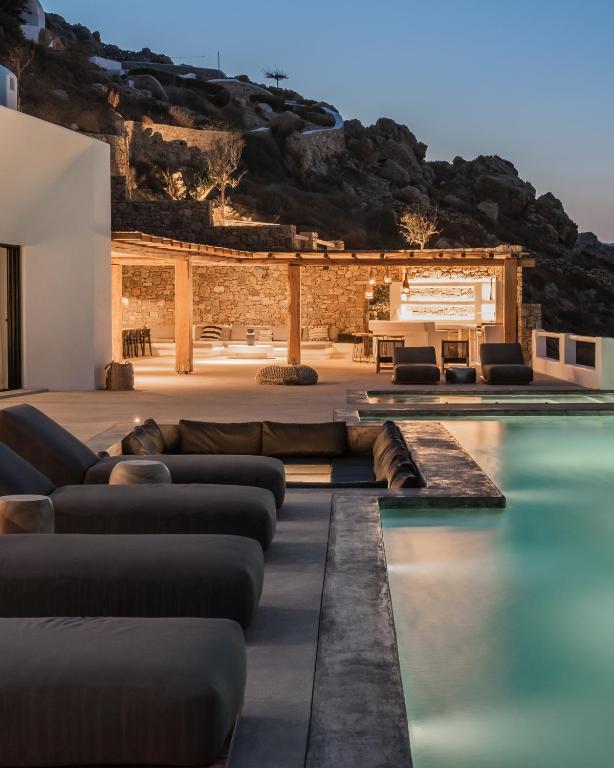
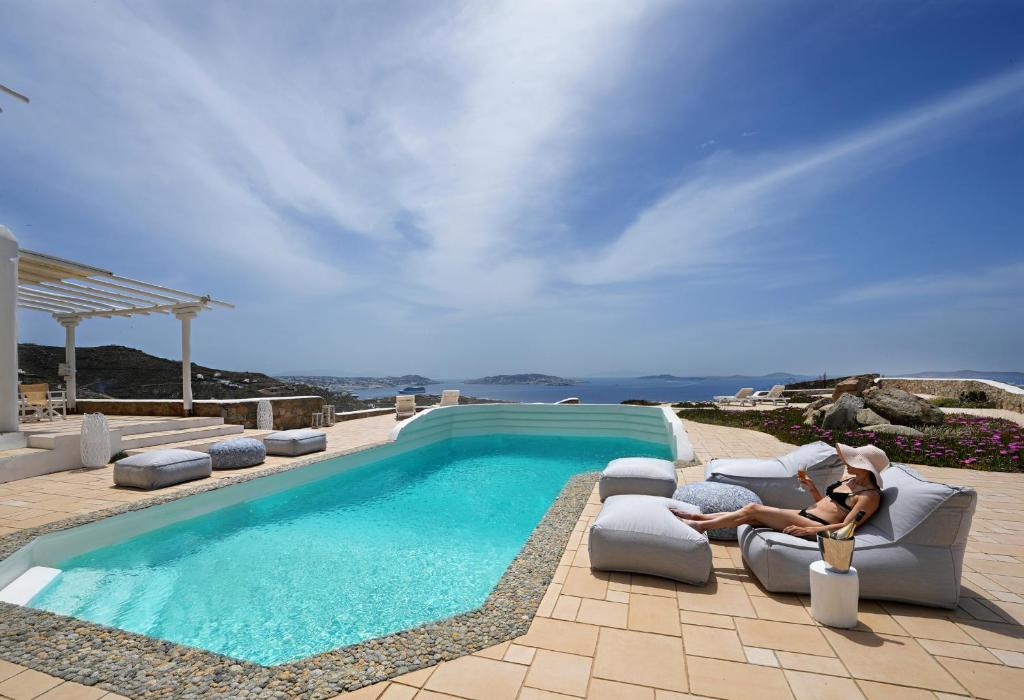
Romantic hotels
Appeals to couples looking for intimate, quiet properties with views or private settings for a romantic escape.
Tip: prioritize quiet location + adults-friendly vibe; scan reviews for noise and privacy.
Rating: 10 • 4 reviews

Rating: 10 • 4 reviews
Rating: 10 • 3 reviews
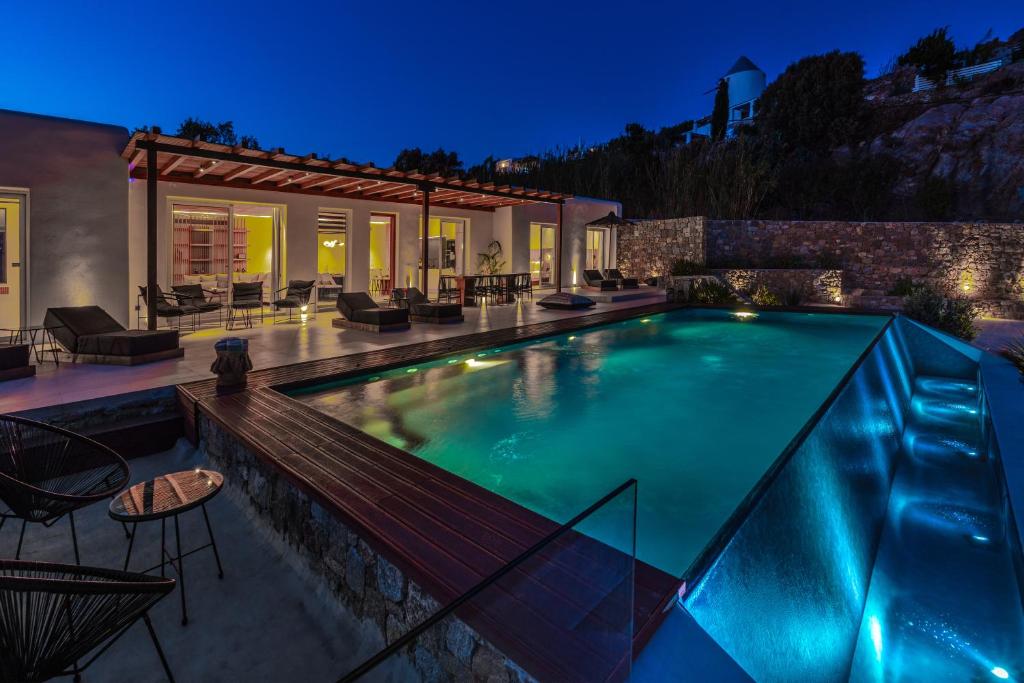
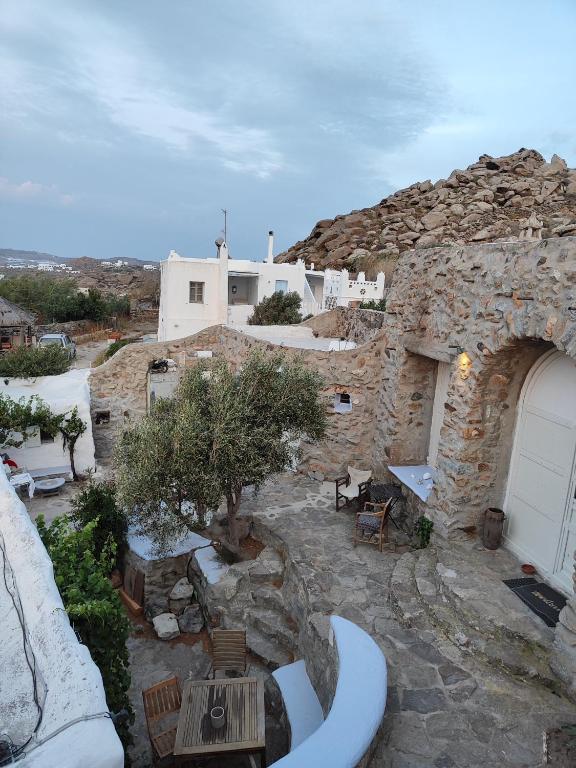
Hotels with airport shuttle
Good for visitors who prefer a simpler arrival and departure by choosing properties that offer shuttle connections.
Rating: 10 • 5 reviews

Rating: 10 • 5 reviews
Rating: 10 • 4 reviews
Hotels romantic with a spa
Aimed at couples who want romantic accommodations paired with spa amenities for added relaxation.

Rating: 10 • 1 reviews
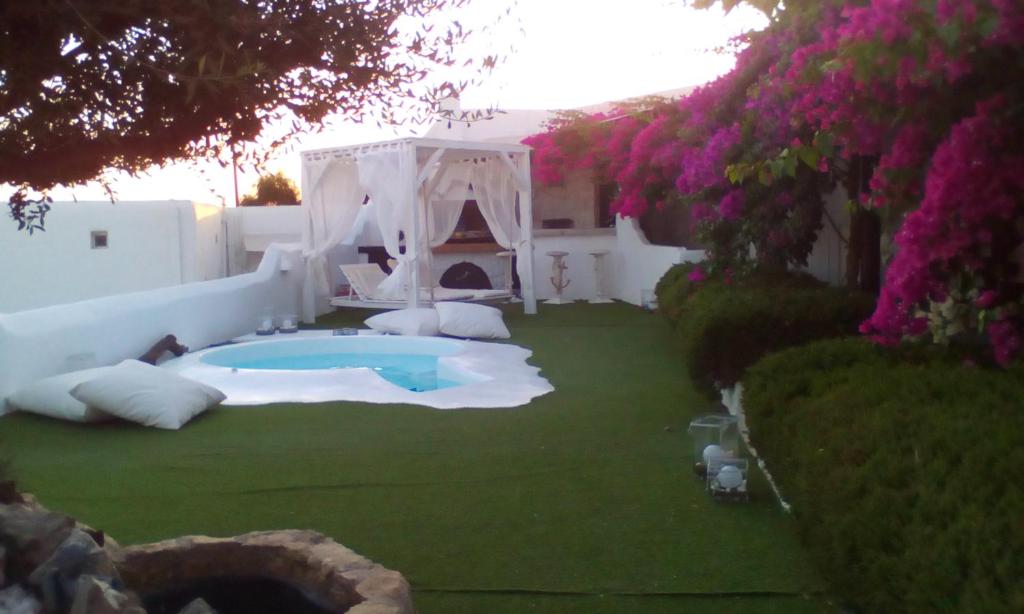
Rating: 9.9 • 437 reviews
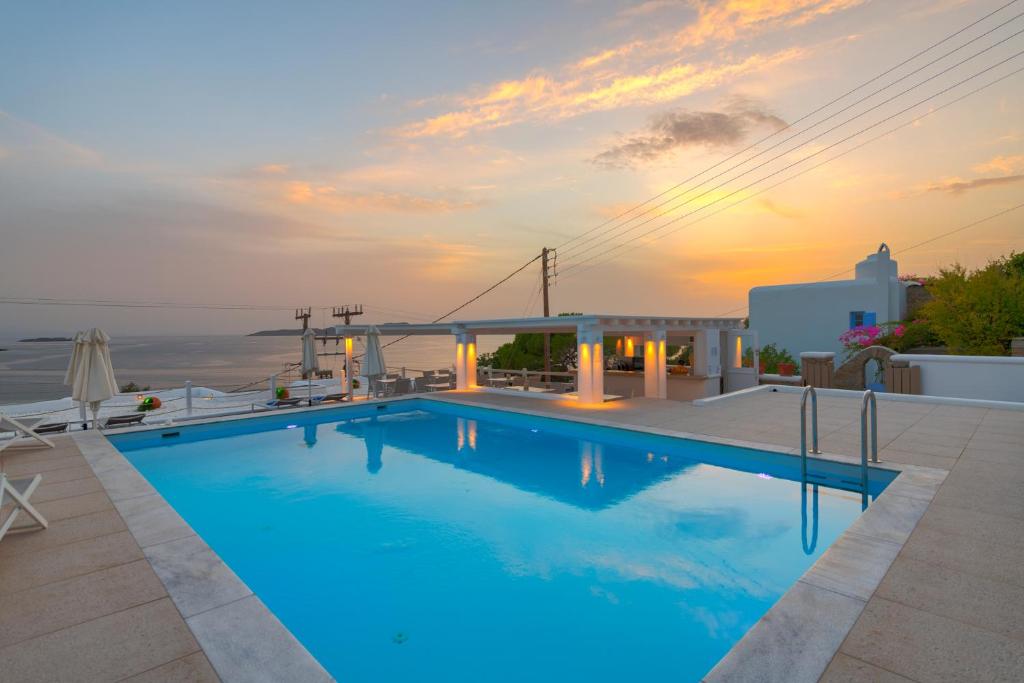
Rating: 9.9 • 317 reviews
FAQ
What currency is used in Mykonos?
You’ll typically pay in EUR (euro). Cards are commonly accepted, but it’s smart to carry some cash for small purchases.
What is Mykonos famous for?
Mykonos is a Cycladic island noted for its whitewashed Old Town (Chora), the iconic windmills, and a coastline with several popular beaches. The island also serves as a gateway to important nearby archaeological sites.
When should I expect the sunniest, driest conditions?
The climate data show the sunniest and driest conditions occur in the late spring through summer period, when average temperatures and hours of sunshine peak and rainfall is at its lowest. If you prioritise long sunny days, that period is the most consistent choice.
Are there notable beaches and parks to visit?
Yes; the island’s shoreline includes beaches such as Psarou Beach, and coastal green space like Horto Park offers a different kind of seaside setting. These sites reflect Mykonos’s mix of natural and visitor-oriented coastal attractions.
Can I visit archaeological sites from Mykonos?
The Delos Archaeological Site is listed among local points of interest and is a major classical site associated with the area. Visitors often plan visits specifically to see its archaeological remains.
Is Mykonos a good destination for family travel?
Mykonos offers family-friendly accommodation options and beaches suited to a range of ages, so families seeking a seaside island experience can find suitable bases. Consider properties marketed for families for more child-focused amenities and easier beach access.
What is the main town like and where are most people based?
The main town, commonly called Chora, sits on the west coast and is the island’s primary population centre. It contains the Old Town quarter and landmarks such as the windmills, making it the natural hub for services and sightseeing.
How large and elevated is the island?
Mykonos covers an area of 85.5 square kilometres and rises to an elevation of 341 metres at its highest point, with a resident population recorded at the most recent census. These figures reflect a compact island with modest topographic variation.