Best time to visit
Winters are mild with average temperatures around 18°C and moderate sunshine, while summer months are warmer with average temperatures reaching the mid‑20s°C and higher sunshine and very low rainfall. If you prefer sunnier, drier weather, the mid‑year months show the clearest conditions according to the local climate data.
Jan
18.0°C
Rain20 mm
Sun9.8 h
Feb
18.2°C
Rain24 mm
Sun10.6 h
Mar
18.8°C
Rain24 mm
Sun11.4 h
Apr
19.4°C
Rain24 mm
Sun11.9 h
May
20.9°C
Rain10 mm
Sun12.9 h
Jun
22.3°C
Rain7 mm
Sun13.3 h
Jul
25.5°C
Rain1 mm
Sun12.8 h
Aug
26.7°C
Rain1 mm
Sun12.0 h
Sep
24.5°C
Rain11 mm
Sun11.5 h
Oct
23.7°C
Rain22 mm
Sun10.6 h
Nov
21.4°C
Rain19 mm
Sun9.7 h
Dec
19.2°C
Rain14 mm
Sun9.6 h
Things to do
In Maspalomas
- Dunas de MaspalomasThis natural beach features expansive sand dunes that create a unique desert landscape adjacent to the ocean. Visitors enjoy walking across the shifting sands and observing local wildlife. It suits nature lovers and photographers seeking scenic seaside views within a natural reserve.
- Faro de MaspalomasA historic lighthouse guiding maritime navigation along the coast, it serves as a prominent landmark. Tourists often visit to admire its architecture and enjoy nearby panoramic sea views. It's ideal for visitors interested in maritime history and coastal walks.
Around Maspalomas
- Barranco de GuayadequeA natural gorge notable for troglodyte cave dwellings and lush vegetation. Visitors explore ancient cave homes, walk scenic trails, and experience cultural exhibits. It is popular among hikers and those interested in history and nature.
- Caldera de BandamaA volcanic crater surrounded by hiking trails providing insights into geological activity and island nature. Visitors hike to the crater floor and enjoy scenic viewpoints around the rim. It suits geology enthusiasts and hikers seeking immersive natural surroundings.
- Jardín Botánico Canario Viera y ClavijoOne of the largest botanical gardens focusing on endemic Canarian plants and ecosystems. Visitors learn about native species through beautifully landscaped gardens and walking paths. This site is recommended for botany enthusiasts and peaceful nature visits.
- Palmitos ParkA combination botanical garden and zoo featuring birds, mammals, and reptiles, along with entertaining animal shows. Visitors can explore themed gardens and watch dolphins, parrots, and reptile demonstrations. It is well-suited to families and nature explorers wanting close wildlife encounters.
Where to stay

How we pick hotels
For each category, we shortlist a few standout stays by combining review quality (score), review confidence (volume), and how well the hotel matches the theme (spa, family, lake views, and more).
Family-friendly hotels
Suits families seeking relaxed resort surroundings and family‑oriented facilities, with accommodation options geared to group comfort.
Tip: look for family rooms, breakfast options, and walkable basics (shops/transport).
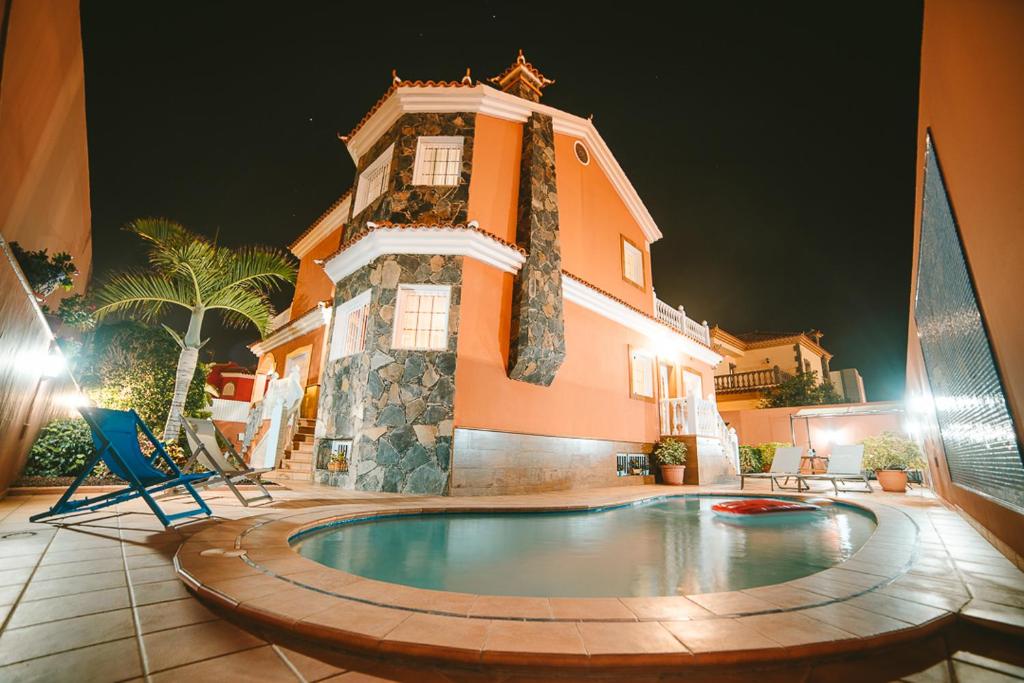
Rating: 10 • 44 reviews
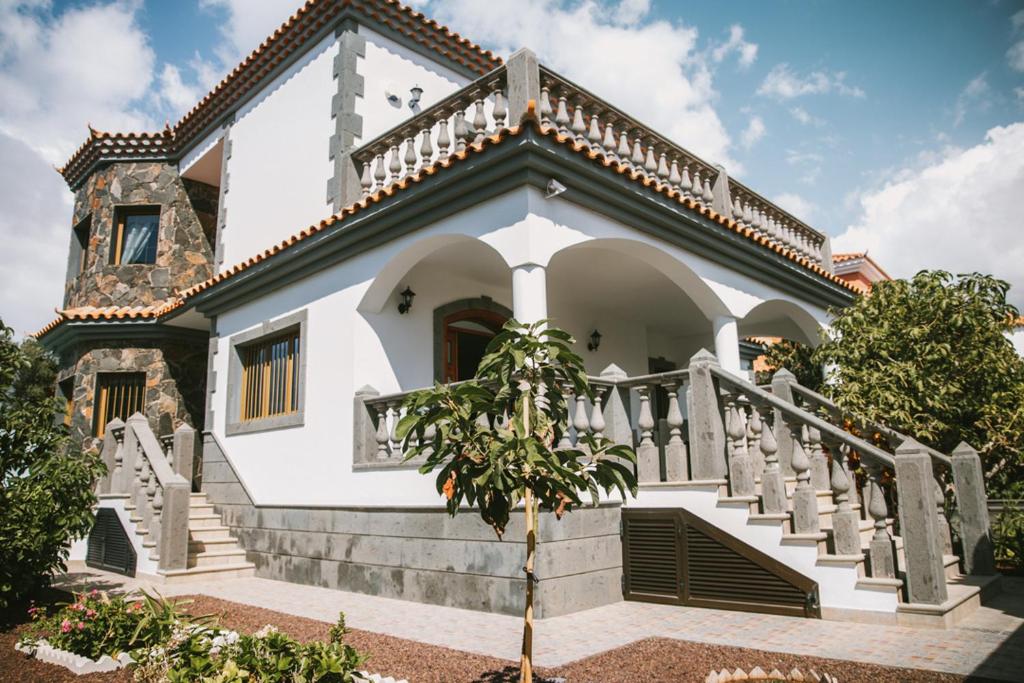
Rating: 10 • 24 reviews
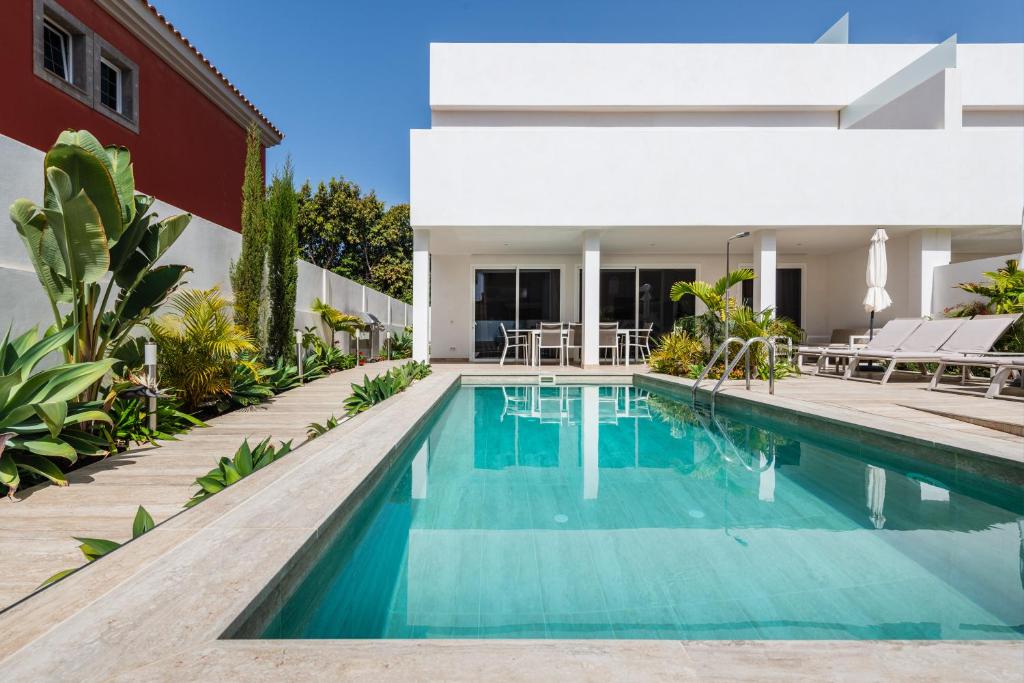
Rating: 10 • 20 reviews
Hotels family-friendly with a pool
Suits families who value on‑site pools and easy access to seaside attractions, offering practical amenities for children and parents.
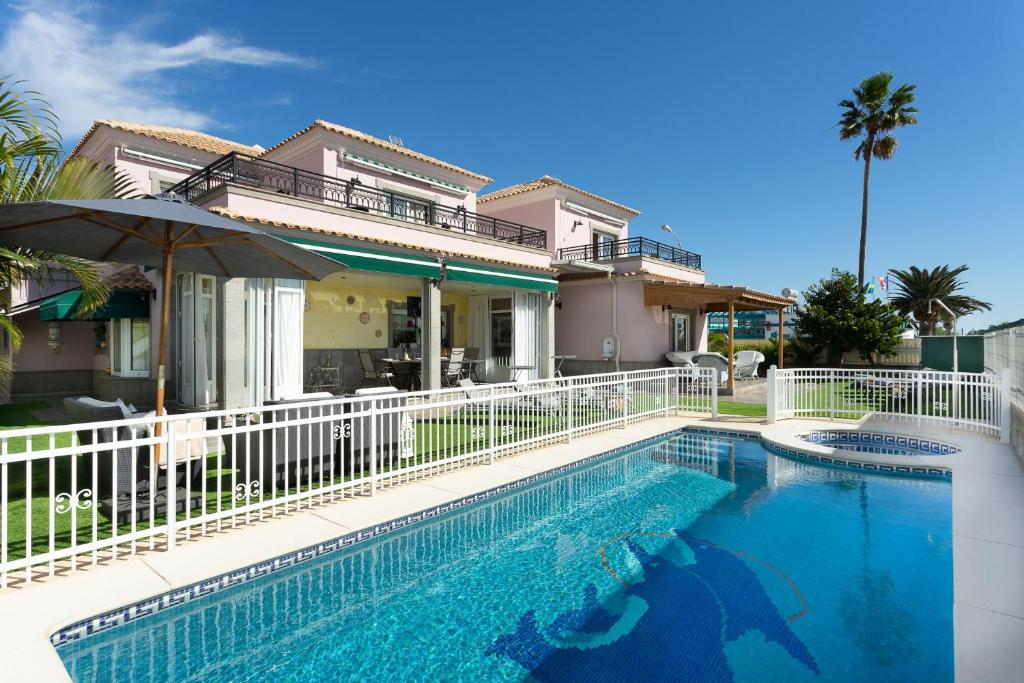
Rating: 10 • 12 reviews

Rating: 10 • 11 reviews

Rating: 10 • 6 reviews
Apartments
Suits travellers wanting self‑contained stays and a more independent pace, often close to beaches and local services.
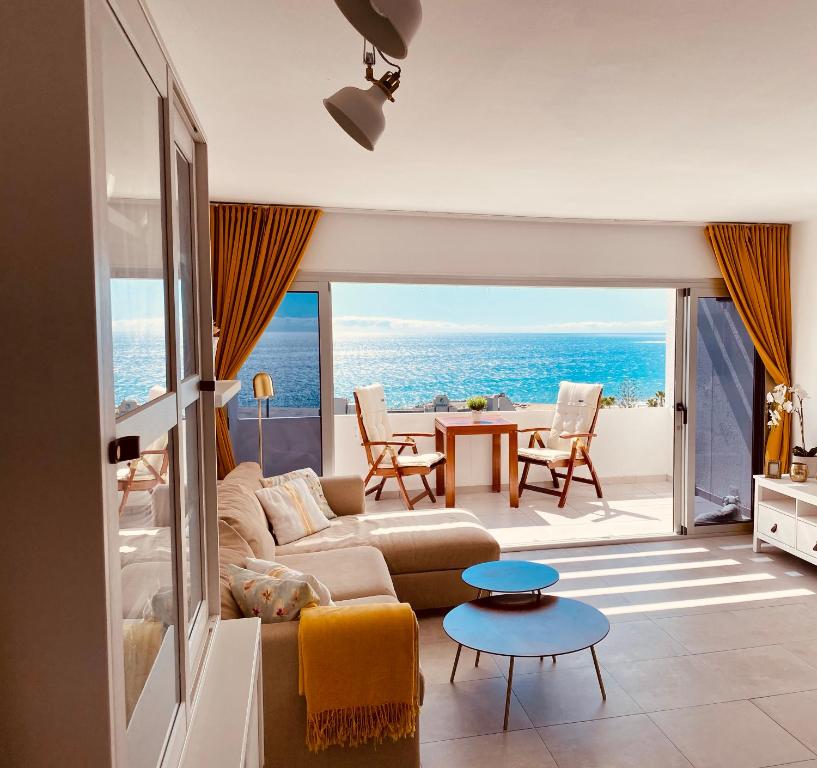
Rating: 10 • 18 reviews
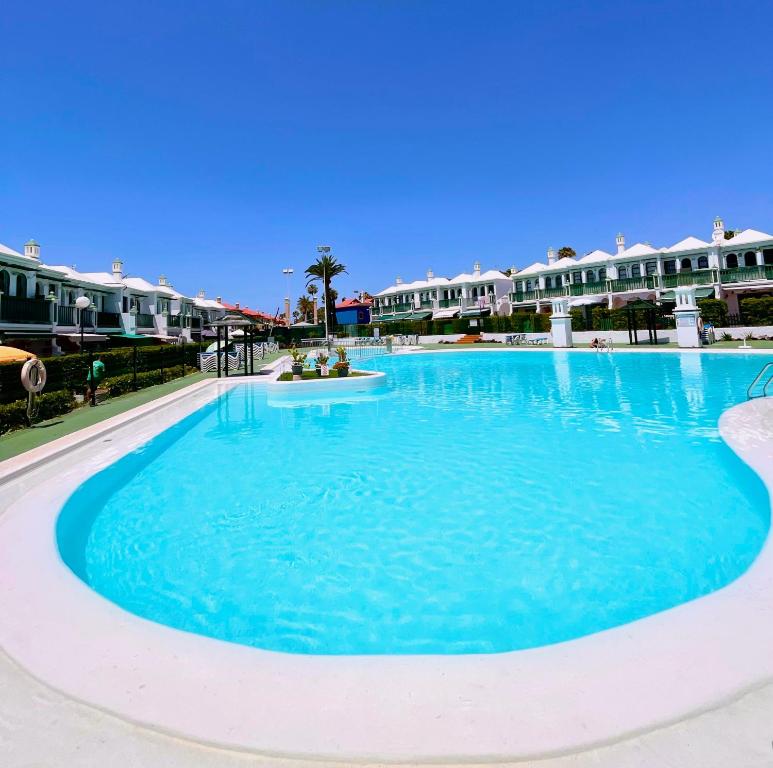
Rating: 10 • 8 reviews

Rating: 10 • 5 reviews
Apartments with a kitchen
Suits visitors who prefer cooking their own meals or longer stays while staying near the coast and town amenities.

Rating: 10 • 4 reviews
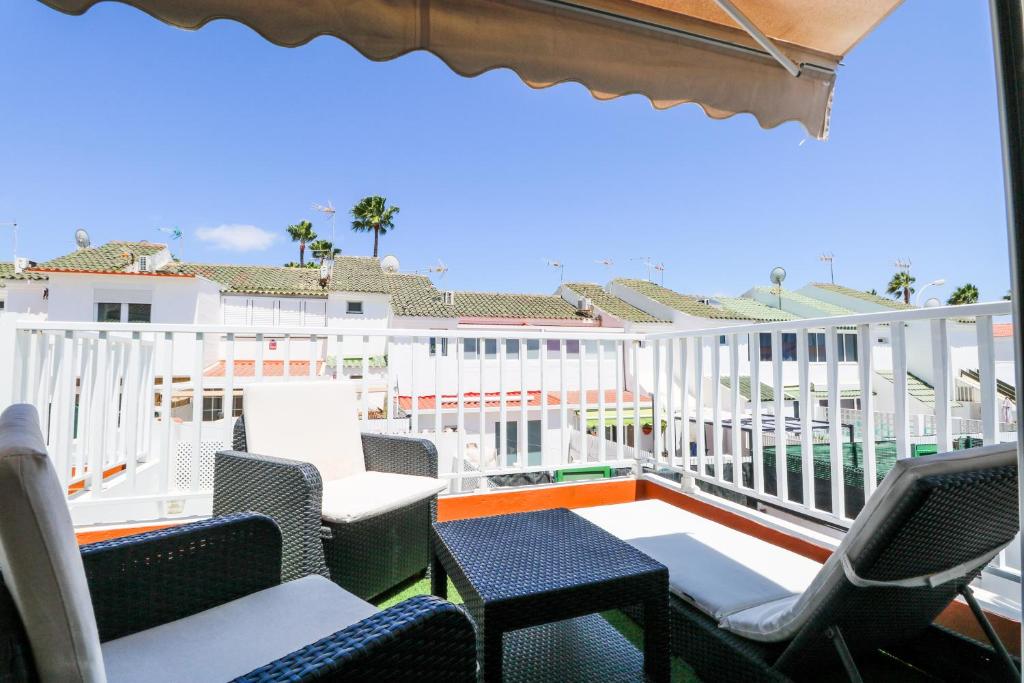
Rating: 10 • 3 reviews
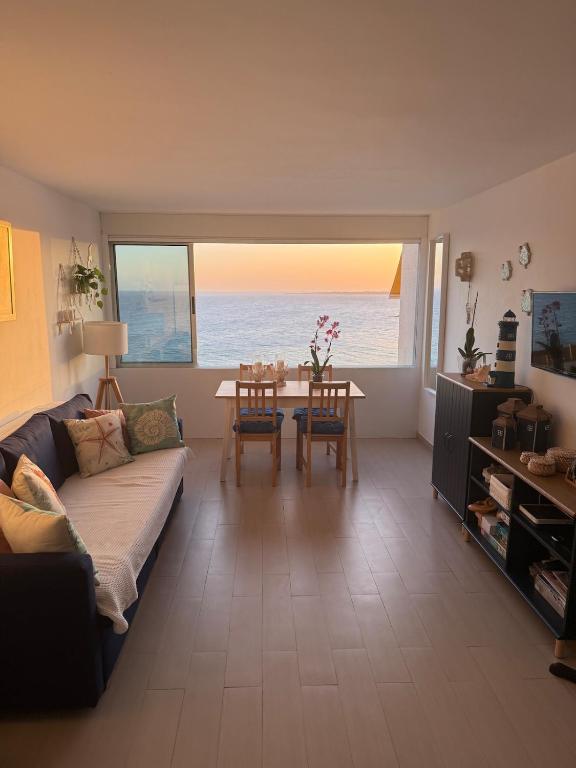
Rating: 10 • 3 reviews
Sea-view hotels
Suits guests who prioritise coastal vistas and direct visual access to the Atlantic from their accommodation.
Tip: “sea view” varies—prefer rooms with balcony/terrace and check guest photos.

Rating: 10 • 7 reviews

Rating: 10 • 5 reviews
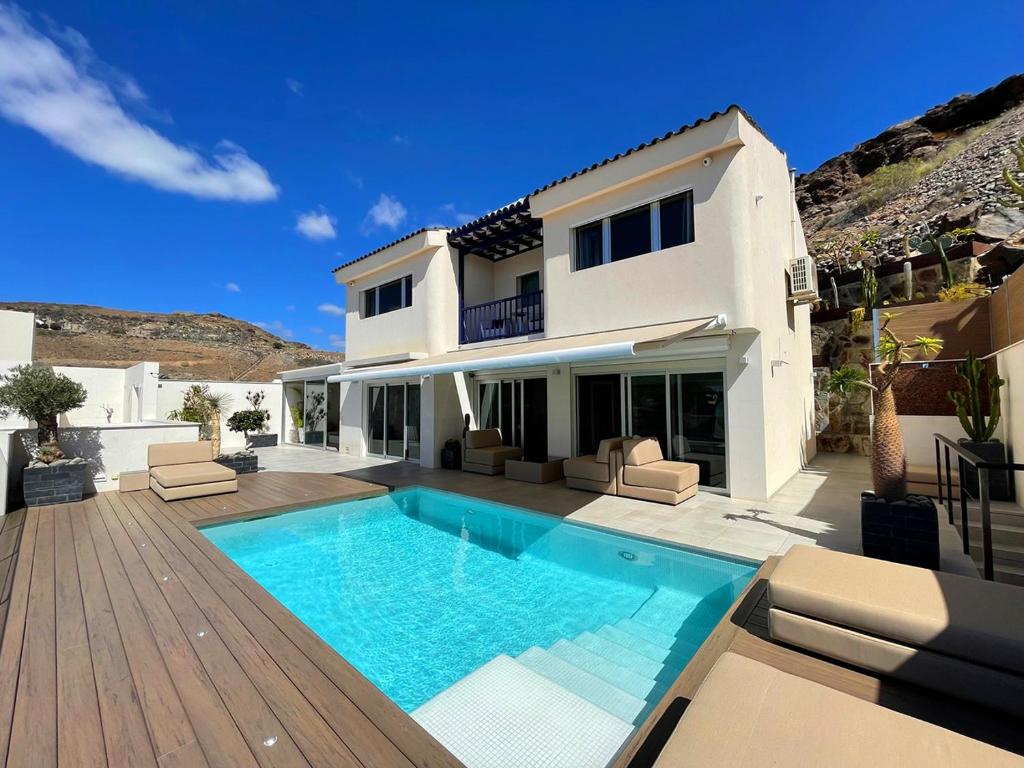
Rating: 10 • 3 reviews
Design hotels
Suits travellers looking for visually distinct stays with contemporary or boutique character within the resort area.
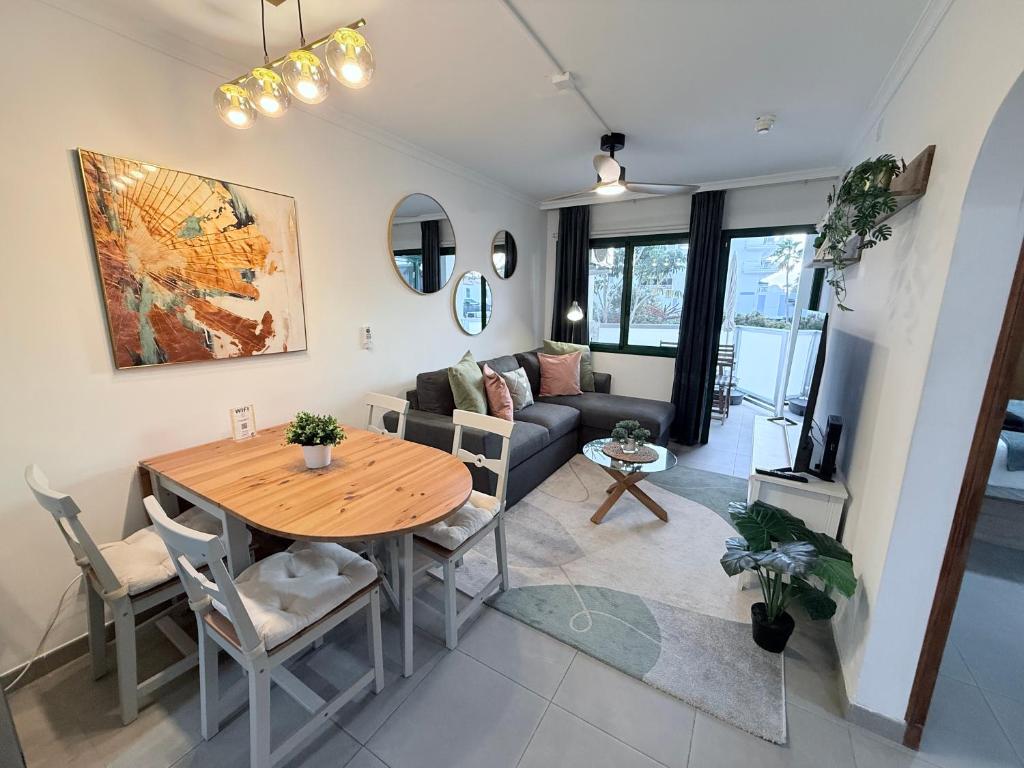
Rating: 10 • 2 reviews
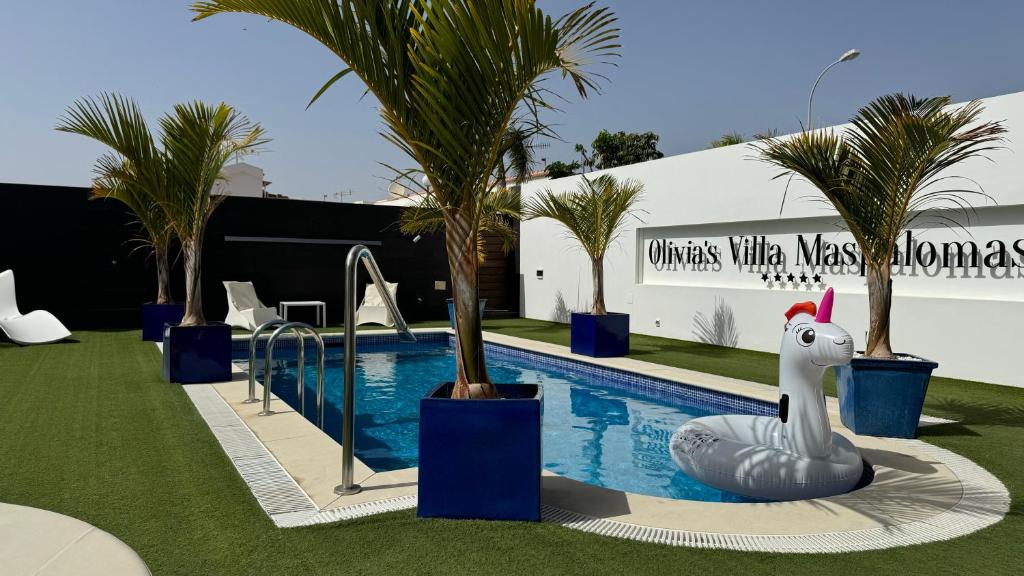
Rating: 9.9 • 22 reviews
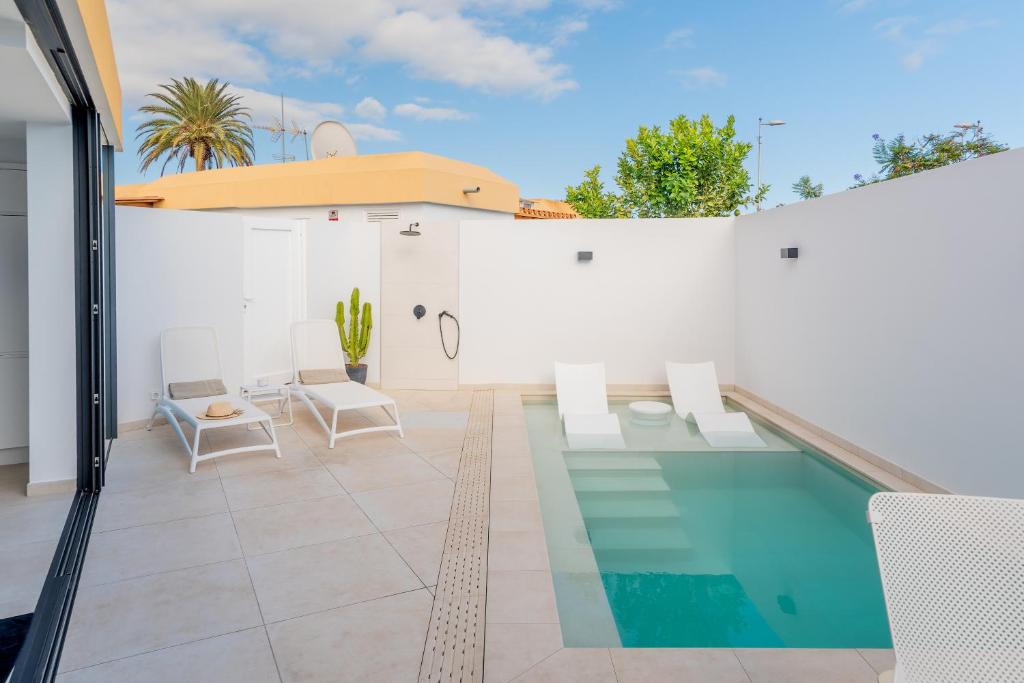
Rating: 9.8 • 30 reviews
FAQ
What currency is used in Maspalomas?
You’ll typically pay in EUR (euro). Cards are commonly accepted, but it’s smart to carry some cash for small purchases.
What are the main sights to see in Maspalomas?
Highlights listed for the area include the Dunas de Maspalomas, the Faro de Maspalomas lighthouse, the Jardín Botánico Canario Viera y Clavijo, Palmitos Park, the volcanic Caldera de Bandama and the Barranco de Guayadeque ravine; these give a mix of coastal, botanical and geological interest within and around the resor
Is Maspalomas suitable for a family holiday?
Yes; the resort area includes family‑oriented attractions such as a botanical garden and Palmitos Park, and the accommodation options shown include family‑friendly properties and places with pools, which cater to family needs.
Can I visit the Maspalomas dunes on foot?
The Dunas de Maspalomas are a prominent landscape feature of the resort and are commonly visited on foot; visitors should prepare for sandy terrain and typical coastal conditions while exploring the dunes.
What outdoor activities are available nearby?
The area's combination of coastline, dunes, botanical garden, wildlife park and nearby volcanic features supports activities such as coastal walks, nature visits and wildlife viewing at places like Palmitos Park and the Jardín Botánico Canario Viera y Clavijo.
How temperate is the weather and what should I pack?
Local climate data shows mild conditions in winter with average temperatures around 18°C and warmer, sunnier conditions in the middle of the year with average temperatures in the mid‑20s°C; pack layers for mild evenings and sun protection for the sunnier months.
Is Maspalomas a single town or multiple areas?
Maspalomas is a southern resort area that stretches across several towns and residential neighborhoods, forming the southernmost part of the municipality of San Bartolomé de Tirajana on Gran Canaria.
Are there natural areas beyond the beaches to explore?
Yes; beyond the coastline the area includes sites of geological and botanical interest such as the Caldera de Bandama and the Barranco de Guayadeque, as well as the Jardín Botánico Canario Viera y Clavijo for plant collections and Palmitos Park for wildlife displays.