Best time to visit
Winter is the clearest fit for skiing, with average temperatures below freezing from December through February and a strong snow record noted in the city context. July and August are the warmest months in the climate data, with average temperatures of 14.5°C and 14.1°C, while June has the highest average sunshine. Spring and autumn are milder but wetter in some months, so conditions may vary.
Jan
-4.0°C
Rain186 mm
Sun5.8 h
Feb
-2.2°C
Rain130 mm
Sun7.2 h
Mar
-0.1°C
Rain160 mm
Sun8.4 h
Apr
3.1°C
Rain129 mm
Sun10.1 h
May
6.9°C
Rain207 mm
Sun10.3 h
Jun
12.0°C
Rain147 mm
Sun12.0 h
Jul
14.5°C
Rain117 mm
Sun12.8 h
Aug
14.1°C
Rain111 mm
Sun11.3 h
Sep
9.9°C
Rain113 mm
Sun9.7 h
Oct
6.6°C
Rain122 mm
Sun8.0 h
Nov
0.6°C
Rain157 mm
Sun6.2 h
Dec
-2.6°C
Rain193 mm
Sun5.6 h
Things to do
In Flaine
- Les Grandes PlatièresThis elevated viewpoint offers expansive mountain scenery above the Flaine resort and provides access to an unusual limestone landscape. Visitors typically come for panoramic viewing, photography, and walks along nearby marked paths. It suits travelers seeking dramatic scenery, families comfortable with mountain terrain, and hikers wanting an accessible introduction to the surrounding high plateau.
- Désert de PlatéThis broad limestone plateau is known for its stark, textured terrain and open high-mountain setting. Visitors generally explore it on foot, following marked hiking routes and enjoying views across the surrounding ranges. It is best suited to experienced walkers, landscape photographers, and travelers prepared for exposed alpine conditions and uneven ground.
Around Flaine
- Cirque du Fer-à-ChevalThis broad natural amphitheater is enclosed by high limestone cliffs and forms one of the most recognizable landscapes in the area. Visitors typically explore surrounding walking paths, admire waterfalls and peaks, and take photographs from valley viewpoints. It suits families, casual walkers, and serious hikers, with route choice depending on weather, season, and fitness.
- Cascade du RougetThis prominent waterfall is a popular natural sight within the Sixt mountain landscape, where water descends through steep wooded and rocky surroundings. Visitors usually stop for views and photography, often combining it with exploration of nearby valley routes. It suits travelers seeking an easily recognizable alpine feature, including families and visitors with limited hiking time.
- Cascade de l'ArpenazThis waterfall drops dramatically from the surrounding mountain slopes and is a recognizable natural landmark in the Sallanches area. Visitors generally view it from nearby roads or walking areas, taking photographs and combining the stop with valley sightseeing. It suits most travelers interested in accessible nature, though conditions and viewpoints can vary seasonally.
- Gorges de la DiosazThe gorge presents a narrow mountain landscape shaped by fast-flowing water, rock walls, and forested slopes. Visitors typically follow established paths and viewpoints to experience the scenery at close range. It suits nature lovers, families, and travelers who enjoy short interpretive walks, although some sections may feel unsuitable for very young children or those uncomfortable with heights.
Where to stay

How we pick hotels
For each category, we shortlist a few standout stays by combining review quality (score), review confidence (volume), and how well the hotel matches the theme (spa, family, lake views, and more).
Mountain-view hotels
Suited to travellers who want their accommodation to complement Flaine’s mountain setting with views.
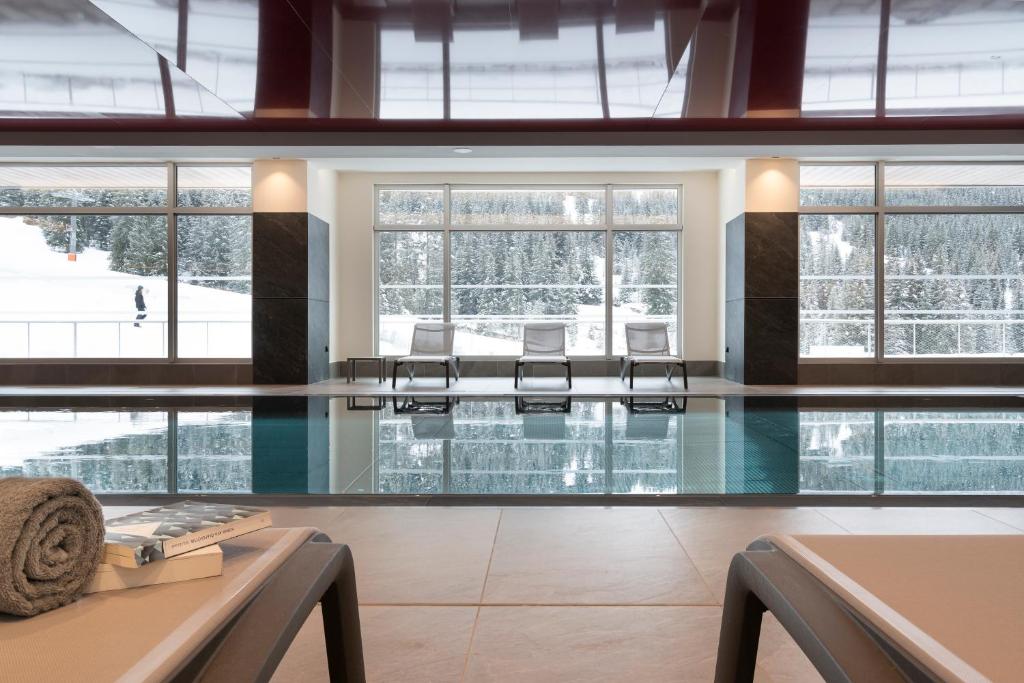
Rating: 9 • 188 reviews
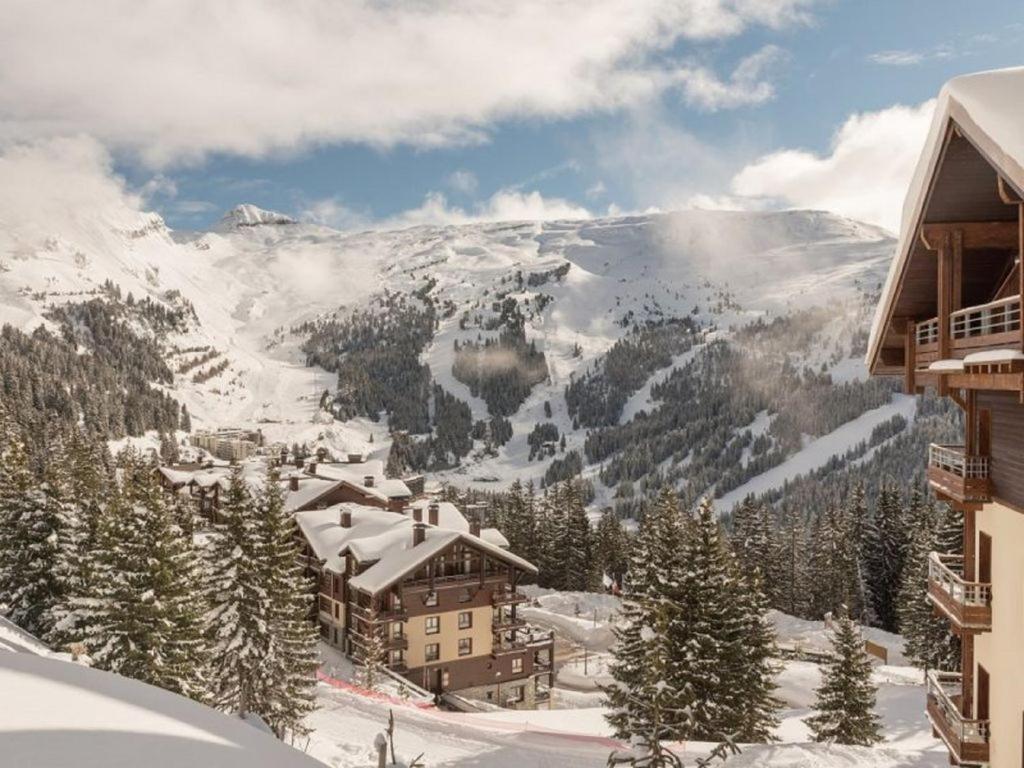
Rating: 9.9 • 11 reviews
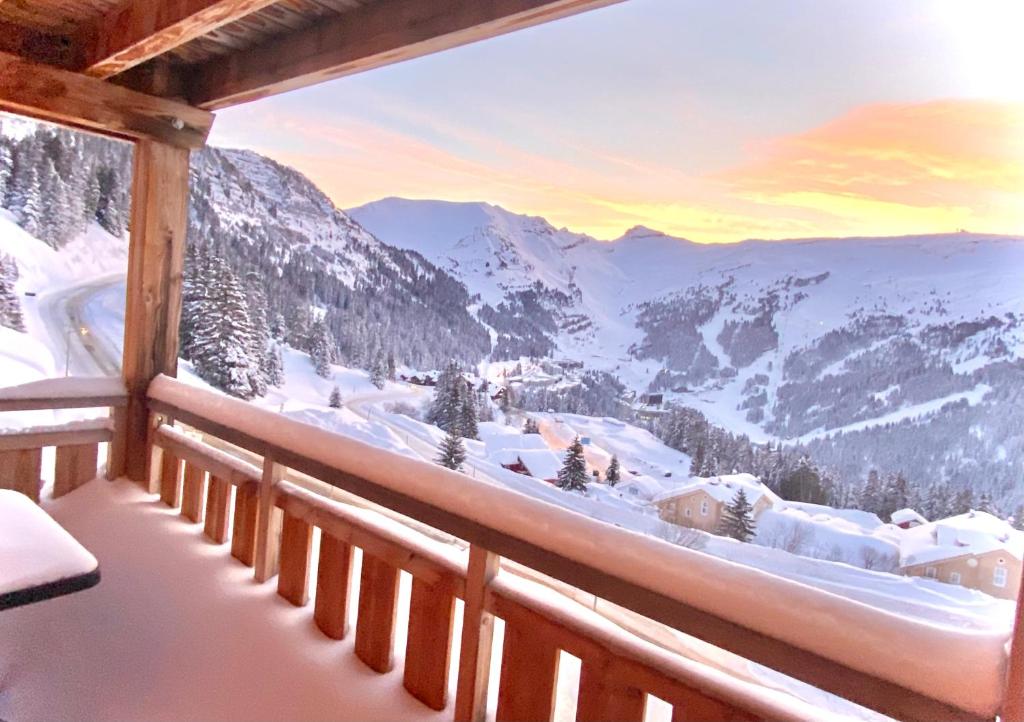
Rating: 9.4 • 21 reviews
Pet-friendly hotels
A practical choice for guests travelling with pets who want to stay in Flaine.
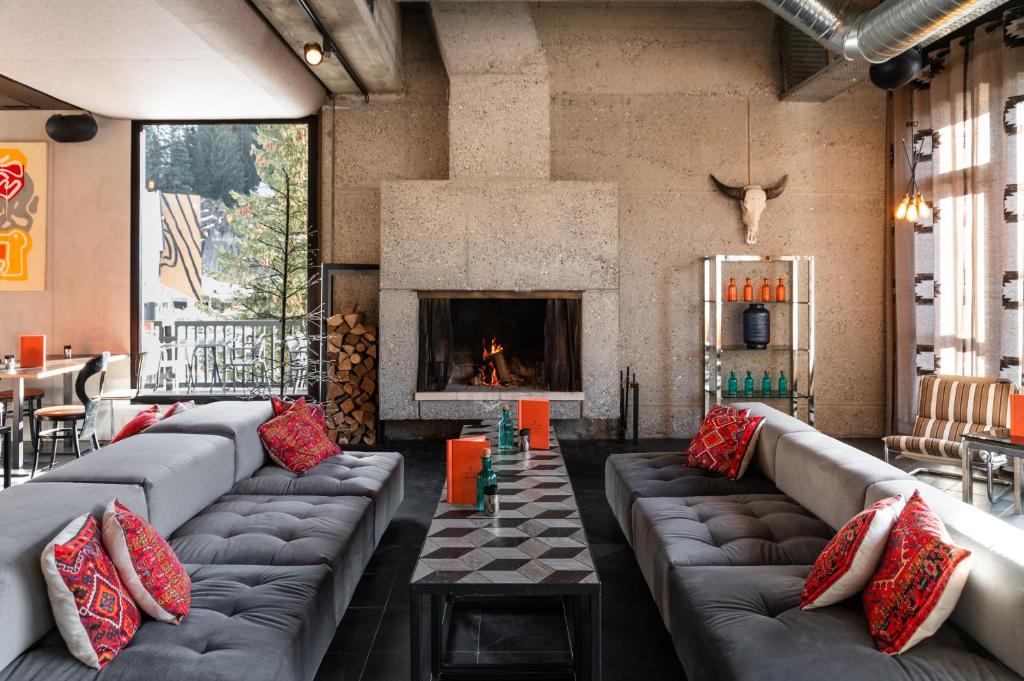
Rating: 9.1 • 222 reviews
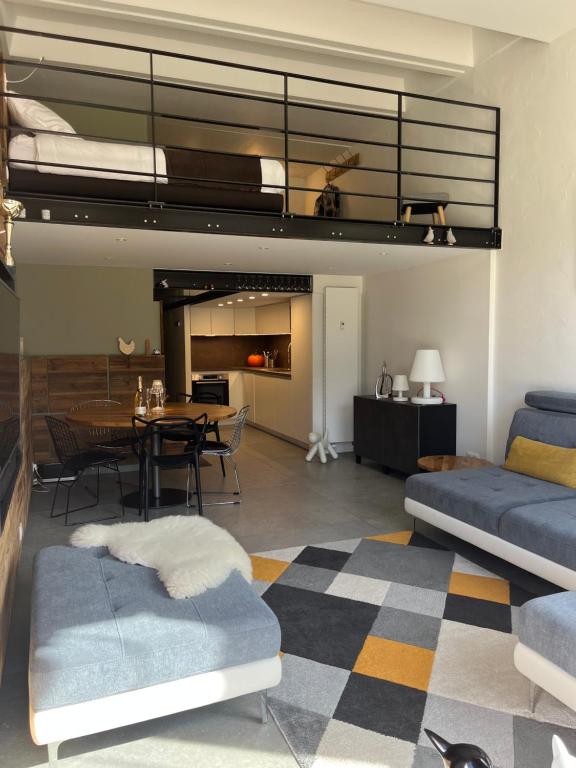
Rating: 9.2 • 25 reviews
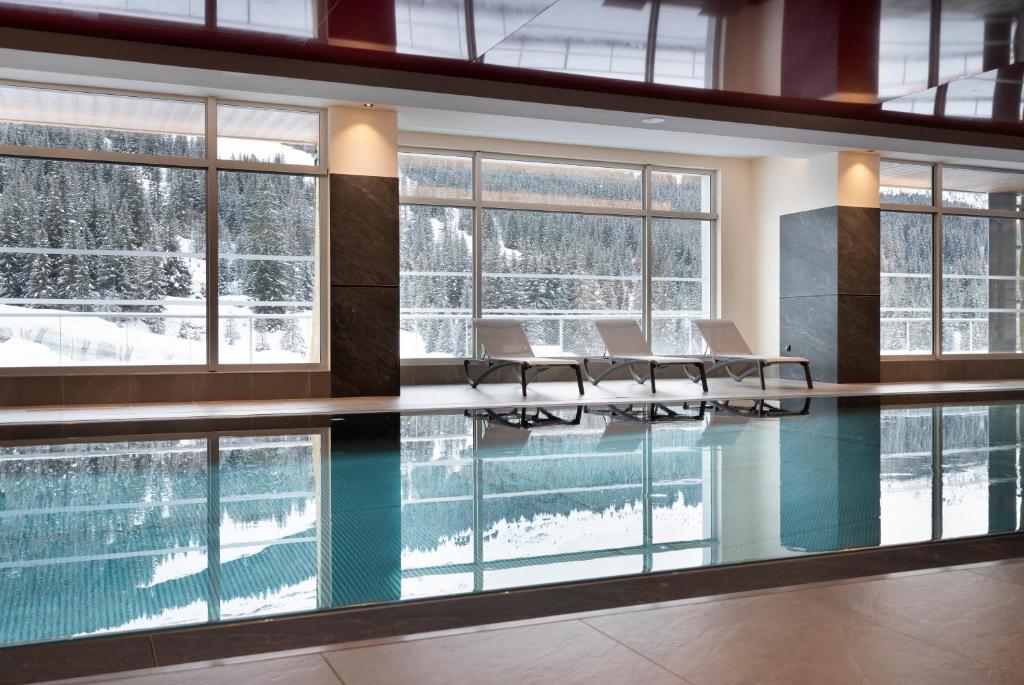
Rating: 8.8 • 132 reviews
Hotels with pool
Best for travellers who value pool access alongside a mountain break.
Tip: if traveling off-season, prefer heated or indoor pools; confirm opening dates.
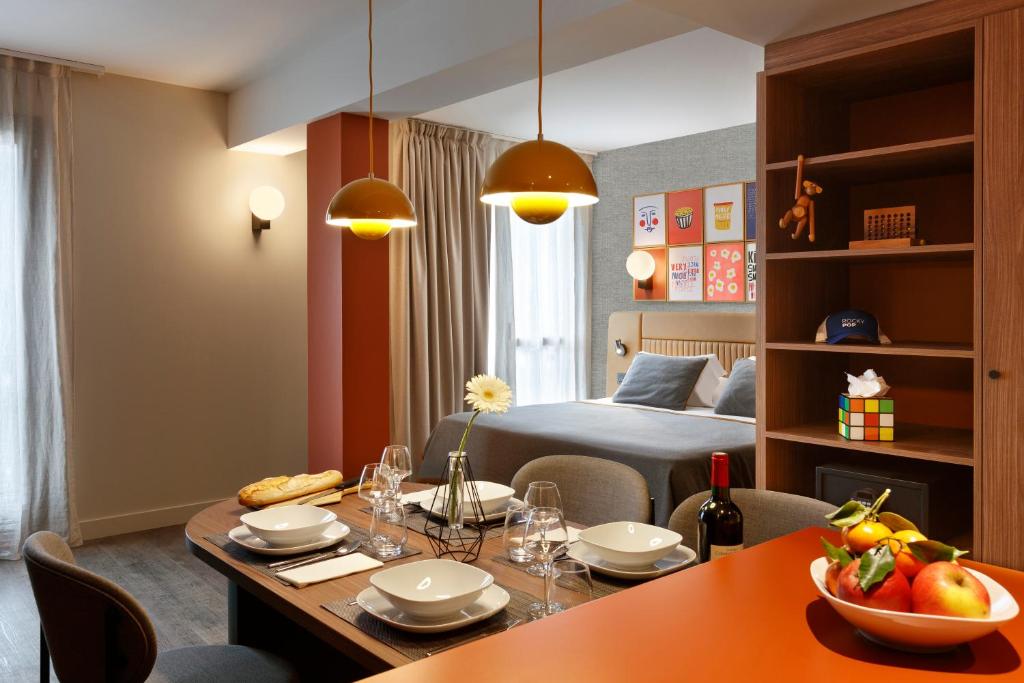
Rating: 9.2 • 73 reviews
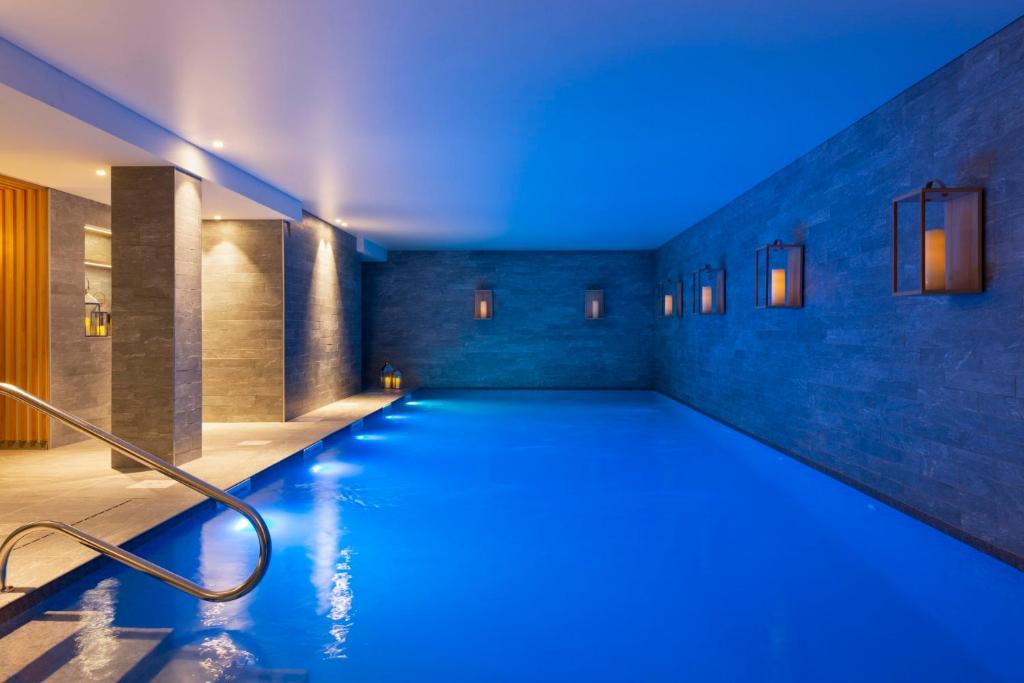
Rating: 8.8 • 453 reviews
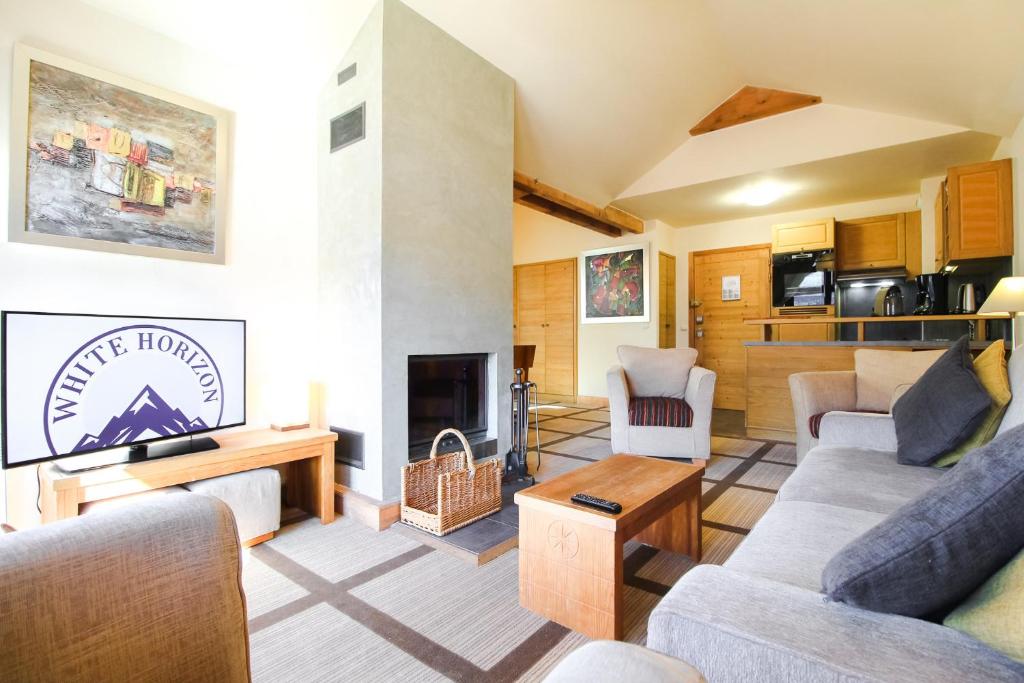
Rating: 9.6 • 9 reviews
Family-friendly hotels
Designed for families looking for accommodation suited to a shared stay in the resort.
Tip: look for family rooms, breakfast options, and walkable basics (shops/transport).

Rating: 9.3 • 13 reviews
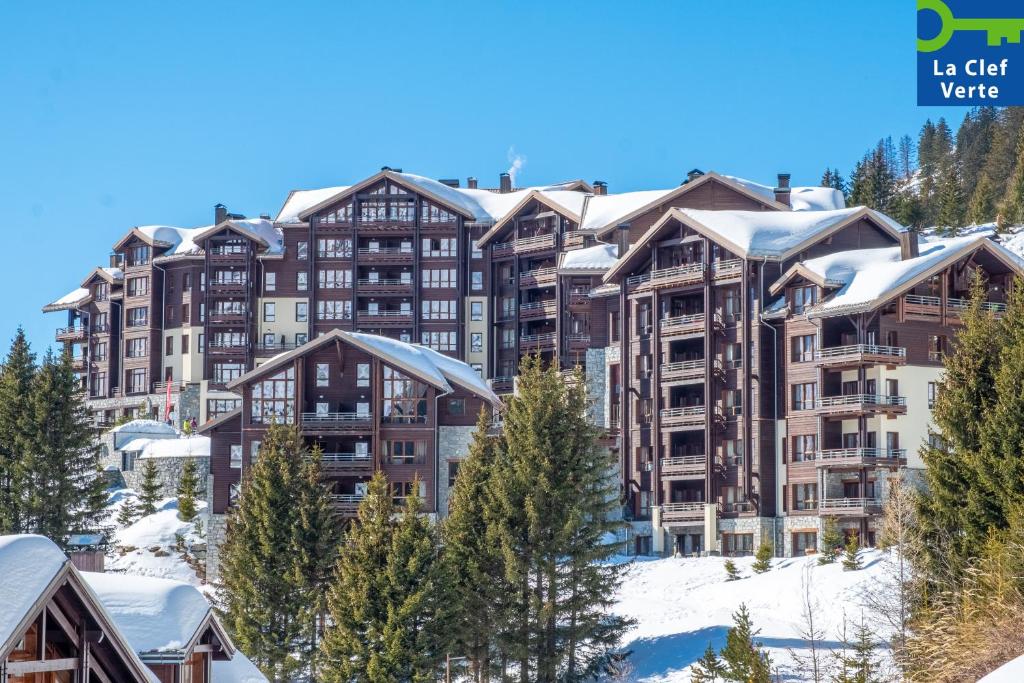
Rating: 8.7 • 245 reviews
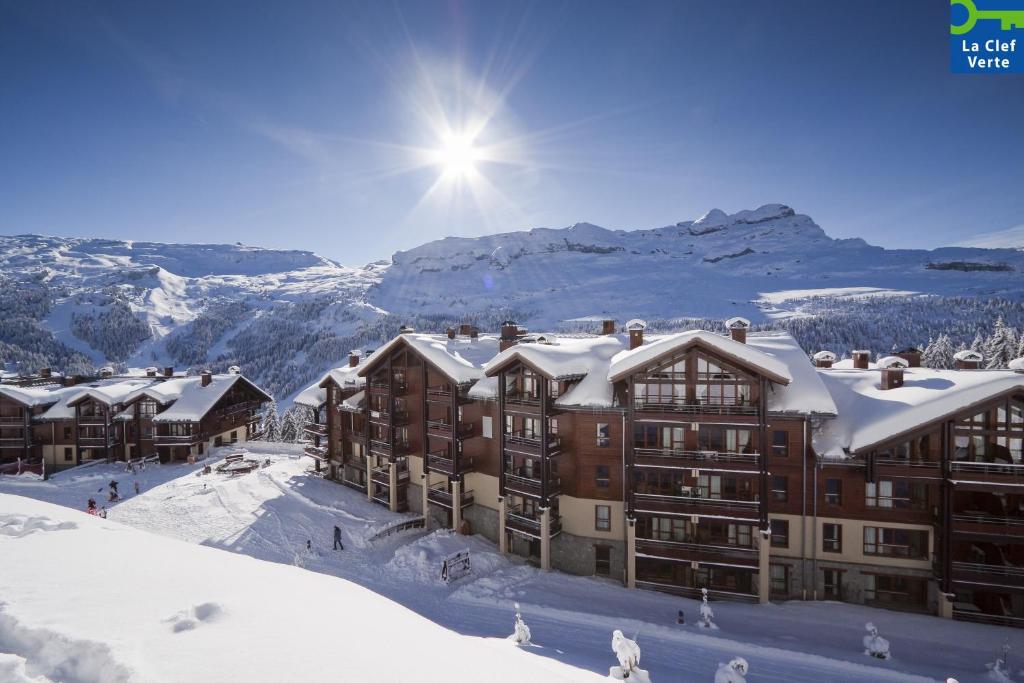
Rating: 8.7 • 228 reviews
Pet-friendly apartments
A useful fit for pet owners who prefer the space and flexibility of an apartment.
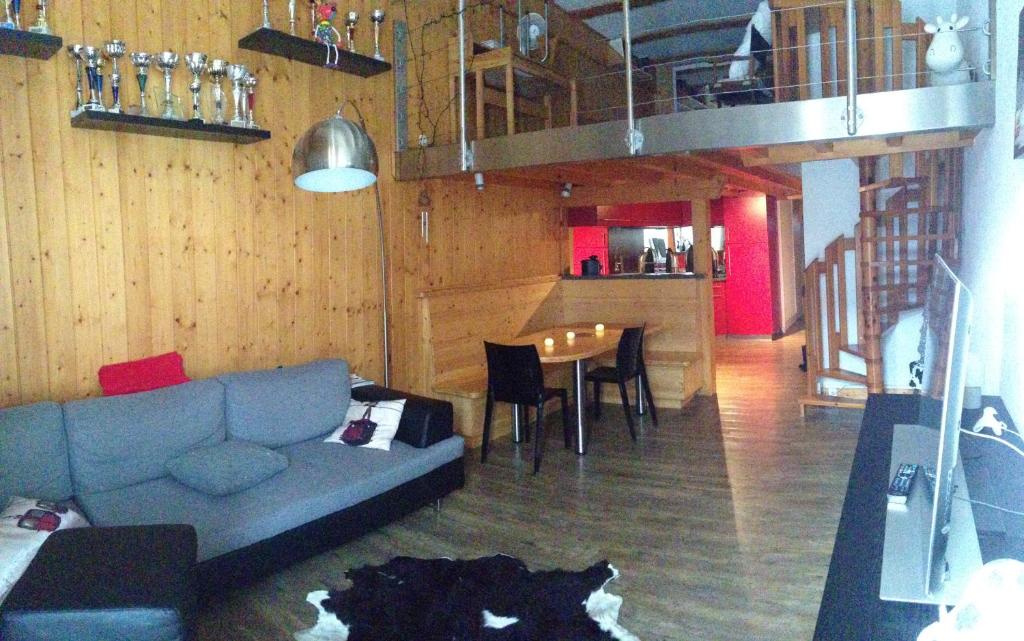
Rating: 9.2 • 11 reviews
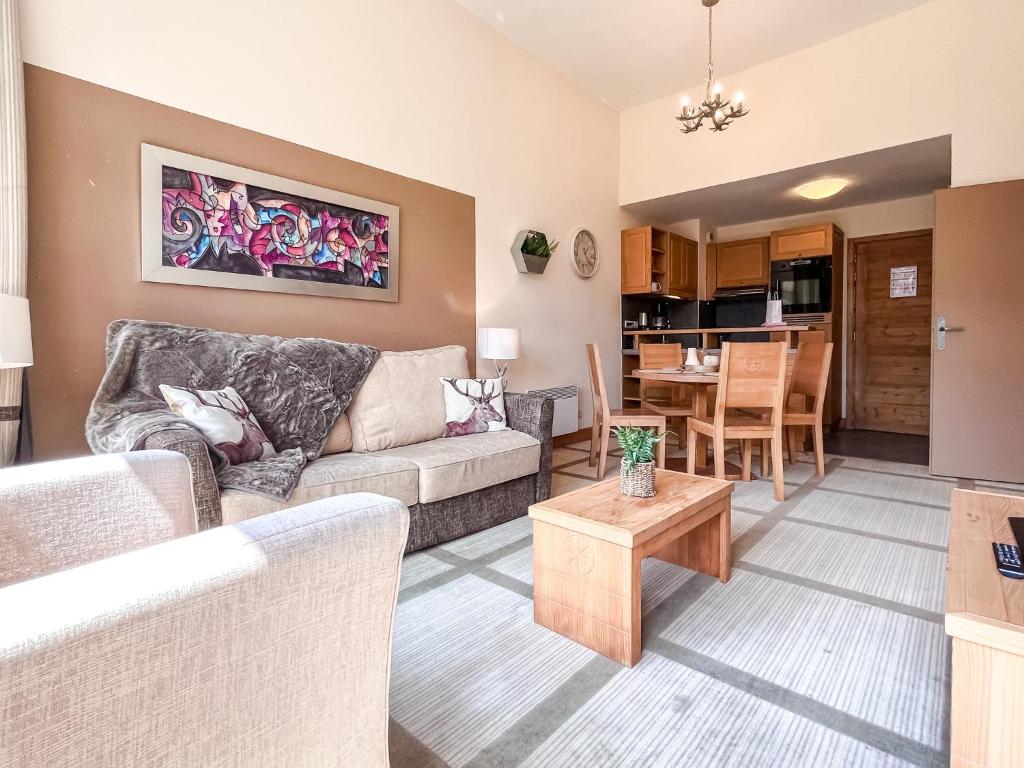
Rating: 9.7 • 3 reviews
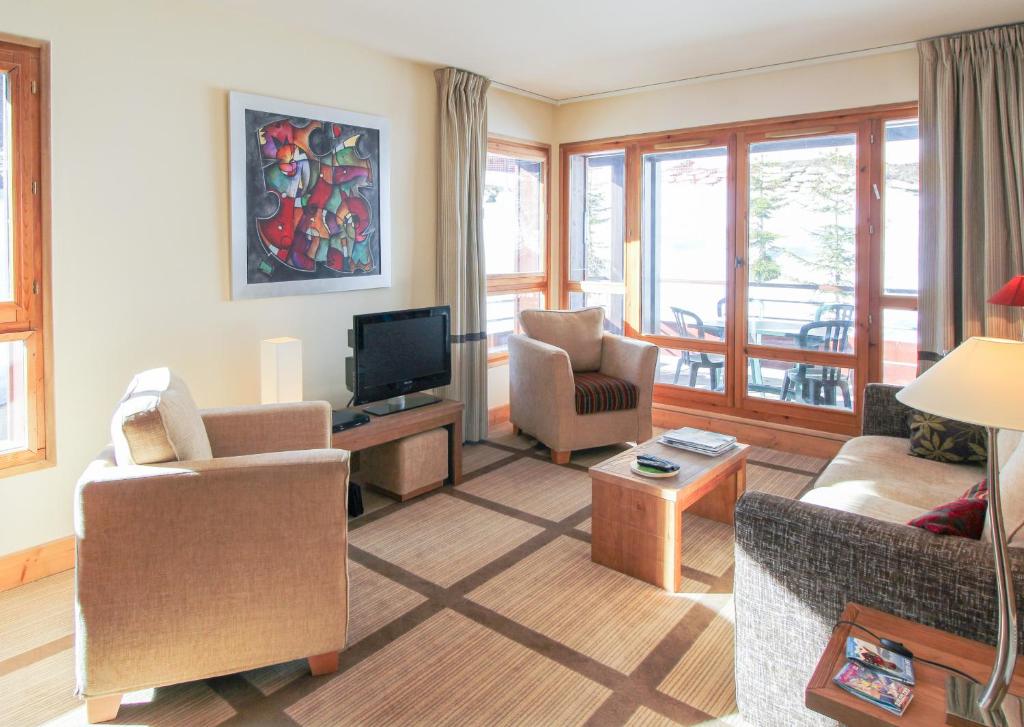
Rating: 8.8 • 8 reviews
Spa hotels
Suited to visitors who want to pair time in the mountains with spa facilities.
Tip: check if spa access is included or paid, and opening hours/booking rules.
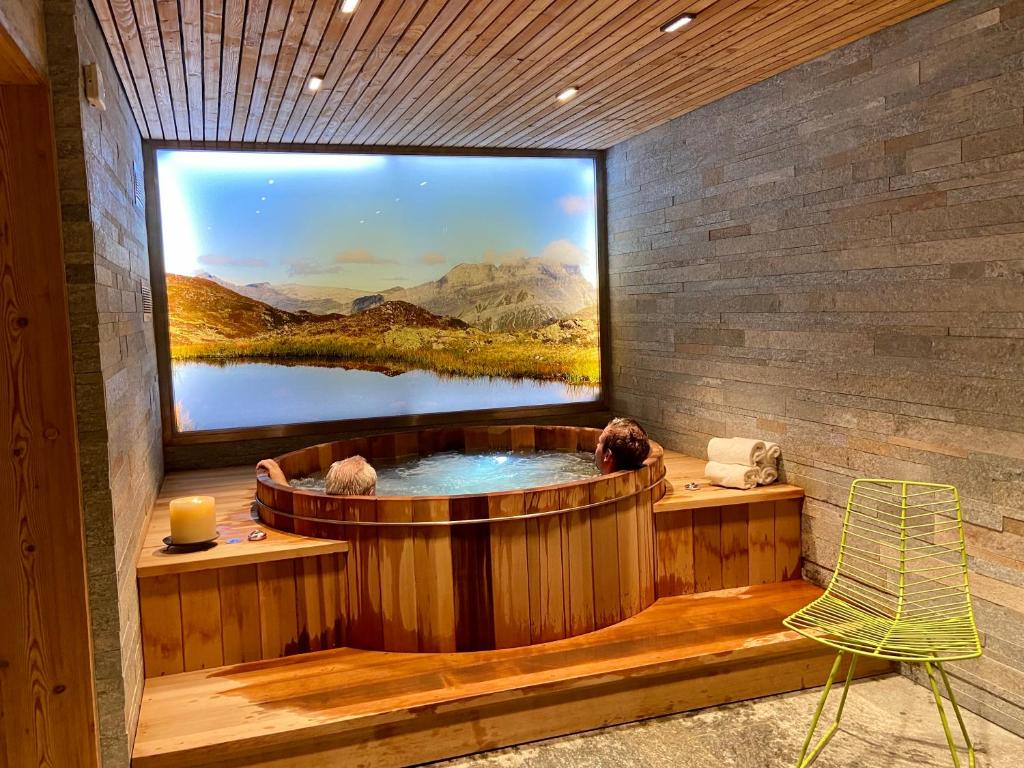
Rating: 8.7 • 217 reviews
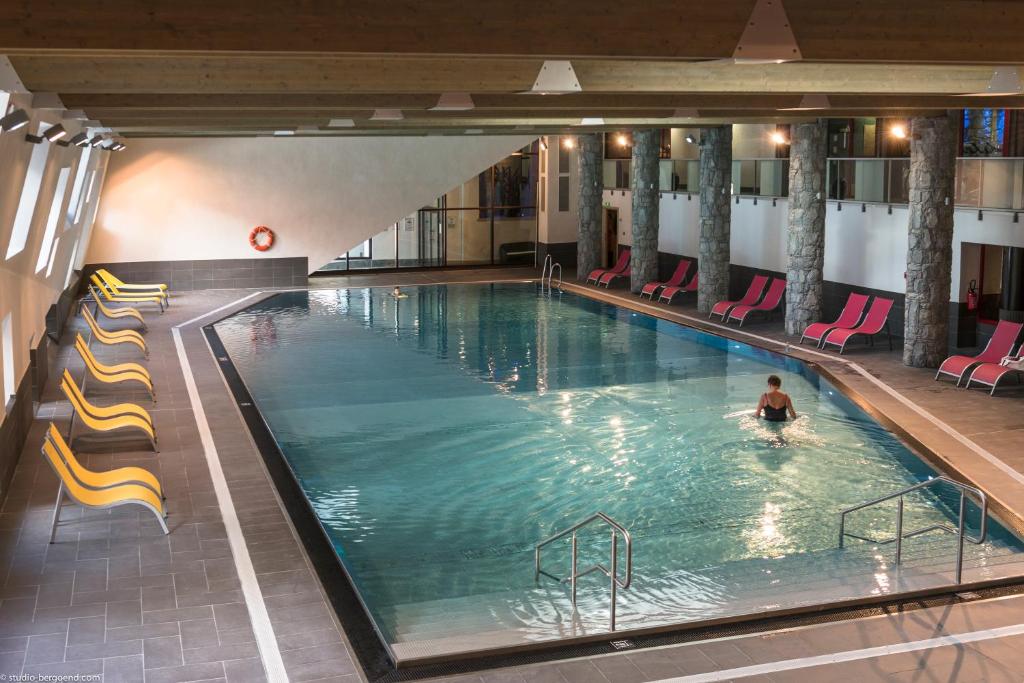
Rating: 8.8 • 21 reviews
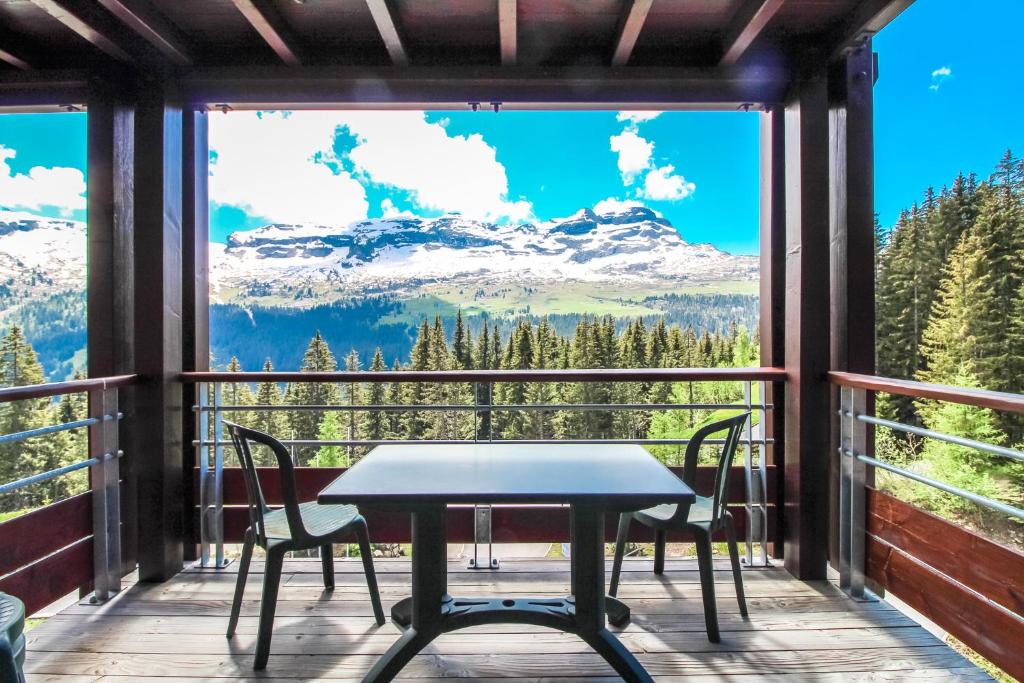
Rating: 8.9 • 14 reviews
FAQ
What currency is used in Flaine?
You’ll typically pay in EUR (Q4916). Cards are commonly accepted, but it’s smart to carry some cash for small purchases.
What is Flaine known for?
Flaine is a ski area in the Haute-Savoie region of the French Alps and part of the linked Grand Massif domain. It is also known for its brutalist architecture and for being described as the “big snowy bowl”.
Is Flaine suitable for a ski holiday?
Yes. Flaine is linked with Samoëns, Morillon, Les Carroz and Sixt-Fer-à-Cheval, giving visitors access to the wider Grand Massif ski area. Its local reputation also centres on reliable snow conditions.
What is the architecture like in Flaine?
Flaine has a distinctive brutalist architectural character. The resort’s buildings are an important part of its identity, although the style is notably divisive.
What can I see around Flaine besides ski pistes?
The surrounding area includes natural sites such as the Cirque du Fer-à-Cheval, Cascade du Rouget, Les Grandes Platières, Cascade de l'Arpenaz, Désert de Platé and Gorges de la Diosaz. These places reflect the wider mountain landscape around the resort.
When is Flaine coldest?
January has the lowest average temperature in the climate data, at -4°C. December and February are also below freezing on average.
What are summers like in Flaine?
July and August are the warmest months in the climate data, with average temperatures of 14.5°C and 14.1°C. June has the highest average sunshine, making the warmer months a possible base for exploring the surrounding mountain scenery.
Where should families or pet owners stay in Flaine?
Families can focus on the family-friendly accommodation shortlist, while guests travelling with pets can compare the pet-friendly and pet-friendly apartment selections. Travellers wanting extra space may find the apartment-focused shortlist especially relevant.